Recovered Tapes You Shouldn’t Watch Alone
By
Robin B Devlin
A good found footage film doesn’t feel like passive entertainment. At its best, it feels slightly dangerous, like it exists in that uncomfortable liminal space between fictional bogeymen and genuine evidence.
At their peak, these films don’t just show you the horror. They make you witness it. First-hand.
For all the shaky cam, blown-out audio, and occasionally questionable acting, found footage has carved out a stubborn, enduring and endearing place in horror. And while everyone points to The Blair Witch Project or even Cannibal Holocaust, the roots go back further, to The Connection, a strange little experiment steeped in jazz, drugs, and paranoia.
The genre didn’t truly erupt until the early 2000s, though. In the wake of Blair Witch, audiences discovered they liked their horror a little closer to home… a little less certain. The line between fiction and evidence blurred, and suddenly it wasn’t just a film.
It was something you found, or that found you.
Here are ten recovered tapes that feel like they shouldn’t exist… and might not want to be watched.
V/H/S (2012)
AKA: Visceral / Harrowing / Sweary
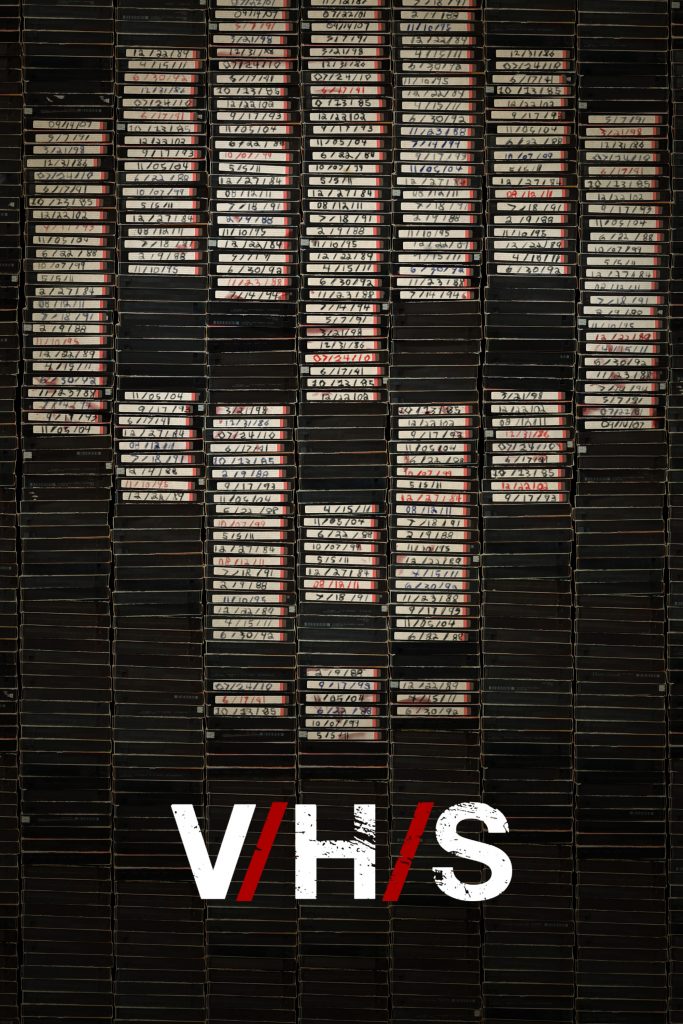
If the tape from The Ring got sent to prison, it would come back as V/H/S.
Peppered with more uses of the word “fuck” than an uncensored daytime TV paternity test meltdown (we’re talking north of 200), V/H/S ditches the idea of one coherent narrative in favour of something far nastier: a stack of cursed tapes, each one worse than the last.
Instead of a single story spiralling into implausibility, you get a smorgasbord of five short films, loosely stitched together by a wraparound segment that holds the whole thing together like the last strip of tape keeping your knackered copy of Halloween from unspooling across the living room floor.
V/H/S is smart, darkly funny in places, and genuinely unnerving. The chills come thick and fast, and from every angle; one moment you’re worried about the quiet girl in a club turning out to be something ancient and hungry, the next you’re panicking about a killer that only exists as a glitch on tape.
Because each segment is tight and helmed by a different filmmaker, the film never settles into a rhythm long enough for you to get comfortable. If anything, the constant barrage leaves you slightly dazed, like you’ve watched something you weren’t meant to.
This first entry spawned an entire franchise, with sequels, spin-offs, and a miniseries all clawing their way out of the same cursed box of tapes. And while the quality varies, the original remains the purest expression of the idea:
Found footage is not a single story…
But as a collection of things that should never have been recorded in the first place.
Host (2020)
AKA: Pazuzu has entered the meeting
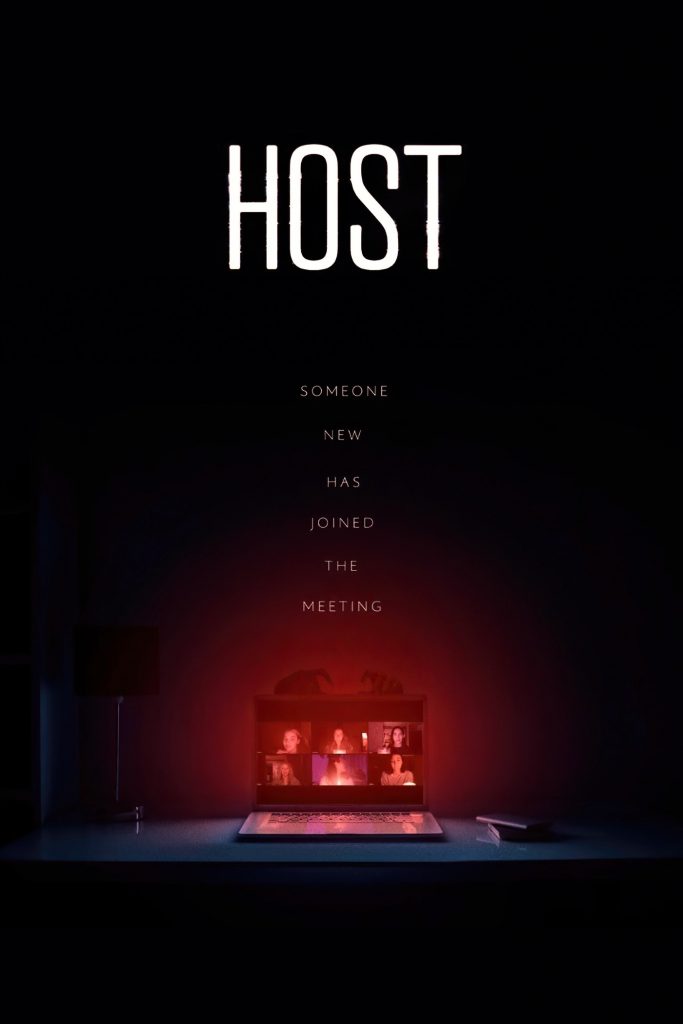
Directed by Rob Savage, Host is an improvisation-heavy British screen life film set and recorded entirely over Zoom during the 2020 lockdown. It follows a group of friends who accidentally summon a demon during an online séance… I mean, we’ve all been there, right? The film has become one of the defining stories of the pandemic era, with its perfectly executed jump scares and cast chemistry turning frozen video feeds and dodgy internet connections into pure cold brew nightmare fuel.
Filmed in just 12 weeks during the height of COVID restrictions, the actors handled their own cameras, lighting, makeup, sound and even practical effects from home, while Savage directed remotely.
A surprise hit, Host generated more than $440,000 on a $100,000 budget. It currently holds an unassailable 98% score on Rotten Tomatoes, with many critics calling it one of the best horror films of the pandemic.
A group of London-based friends decided that since there is a lockdown on, they may as well hold a séance. Not to half arse it, they hire a professional medium who warns them not to disrespect the spirits, but Jemma invents a fake story and accidentally creates a tulpa: a malicious entity that uses the made-up spirit as a gateway into our world
After strange and ghostly events start to escalate, the medium (a graduate of the school of stating the bloody obvious) confirms that the presence is hostile and tells them to close the séance. Before they can finish, she is cut off, leaving the group trapped with the entity.
What follows is a cross between a white-knuckle ride and a digital haunted house ride, where each participant is attacked in their own home by invisible forces, digital shenanigans, and things lurking just outside the frame.
Hell House LLC (2015)
AKA: Never Set Your Pop-Up Business in Lucifer’s Waiting Room
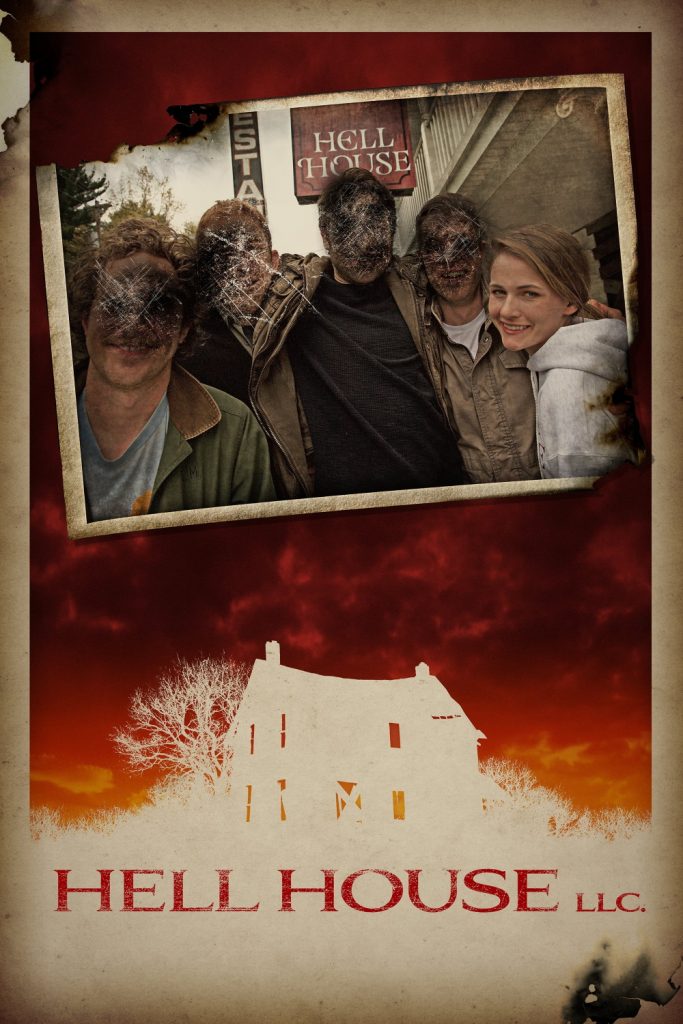
In 2009, a deadly incident at a Hell House attraction in the abandoned Abaddon Hotel leaves 15 thrill-seekers dead. It’s officially ruled a tragic malfunction, but rumours of something far darker hang over the case like graveyard mist.
Years later, a documentary crew decides to investigate, because where would horror be as a genre without profoundly bad decisions?
They interview Sara Havel, the only surviving member of the original setup crew, who provides a treasure trove of behind-the-scenes footage charting the lead-up to opening night. As the team prepares the attraction, the hotel begins to push back: strange figures, shifting spaces, and the creeping sense that something is watching from just out of frame.
Despite everything screaming at them to stop, Alex, the catastrophically confident man in charge, pushes ahead.
Opening night goes about as well as you’d expect.
Panic, darkness, something moving where it shouldn’t, and then chaos. By the time it’s over, the attraction has become something else entirely, and the people who built it are swallowed up along with it.
There’s a sting in the tail, too: Sara isn’t quite what she seems, and the deeper the documentary crew digs, the clearer it becomes that the story isn’t finished with them.
Naturally, they decide to visit the hotel themselves.
The concept is as tight as a walnut’s corset, and the execution, while occasionally tripping over the usual found footage pitfalls (keep some hyoscine handy for the shaky-cam-induced travel sickness), is remarkably effective. What starts as a behind-the-scenes look at a Halloween attraction quietly curdles into something colder, quieter, and far less willing to explain itself.
It made a strong impression on the festival circuit before being unleashed onto VOD like a wild bobcat, and once it’s out of the cage, it doesn’t let up.
Hell House LLC would go on to spawn multiple sequels, but the original remains the standout.
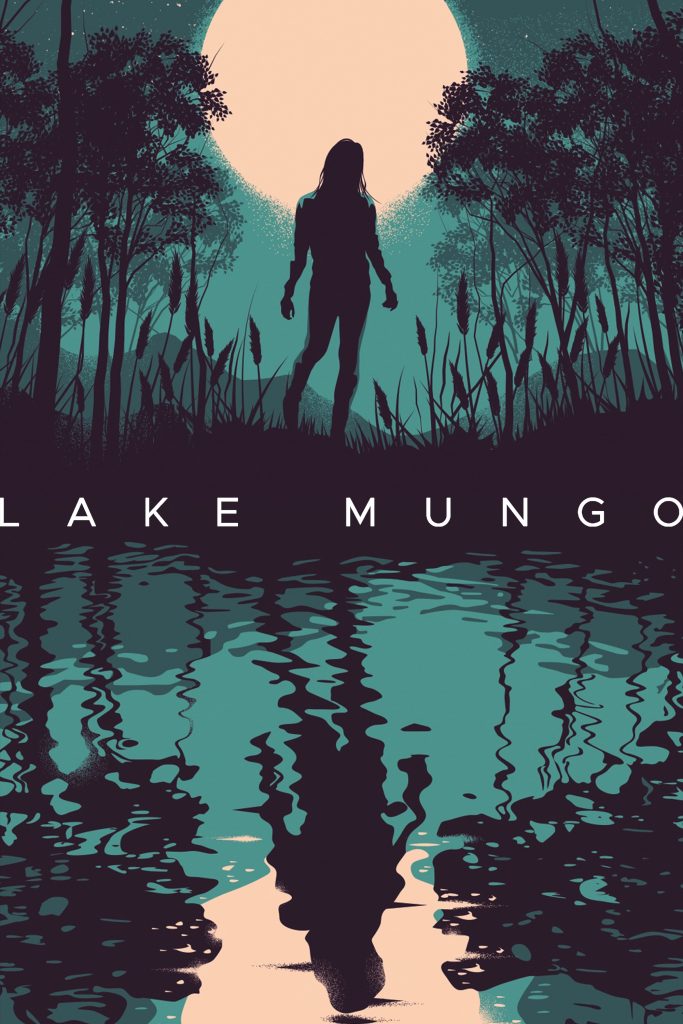
Lake Mungo (2008)
AKA: Even the Lakes Are More Dangerous Down Under
Writer-director Joel Anderson’s first and only film is a razor-sharp pseudo-documentary that lingers long after the credits roll. Jordan Peele has cited Lake Mungo as one of the films that scared him the most, and it’s easy to see why.
When 16-year-old Alice Palmer drowns, her family begin to experience strange disturbances that they interpret as a haunting. Her brother, struggling with grief, appears to capture evidence of Alice’s presence… only to later confess that he faked it, hoping to force the truth into the open and give his mother some kind of closure.
But the truth, when it surfaces, is far worse.
Alice was living a double life, hiding secrets that only began to emerge after her death. A psychic reveals she had visions of her own fate, a claim chillingly supported by footage recovered from Alice’s phone, showing her encountering something impossible… something waiting for her.
The family believe they find answers. They begin to move on.
But Lake Mungo is not interested in closure.
Subtle details, buried in the background and easy to miss, suggest something far more unsettling: that Alice never really left at all.
Despite only recouping a fraction of its budget on release, Lake Mungo has quietly built a reputation as a cult classic. Its slow-burning approach doesn’t aim to shock in the moment, but to settle in your mind and stay there, replaying itself when you least expect it.
An underappreciated gem, and one of the most quietly devastating horror films you’ll ever watch.
Apollo 18 (2011)
AKA: The Moon Is Full of Spiders
This is not a good film.
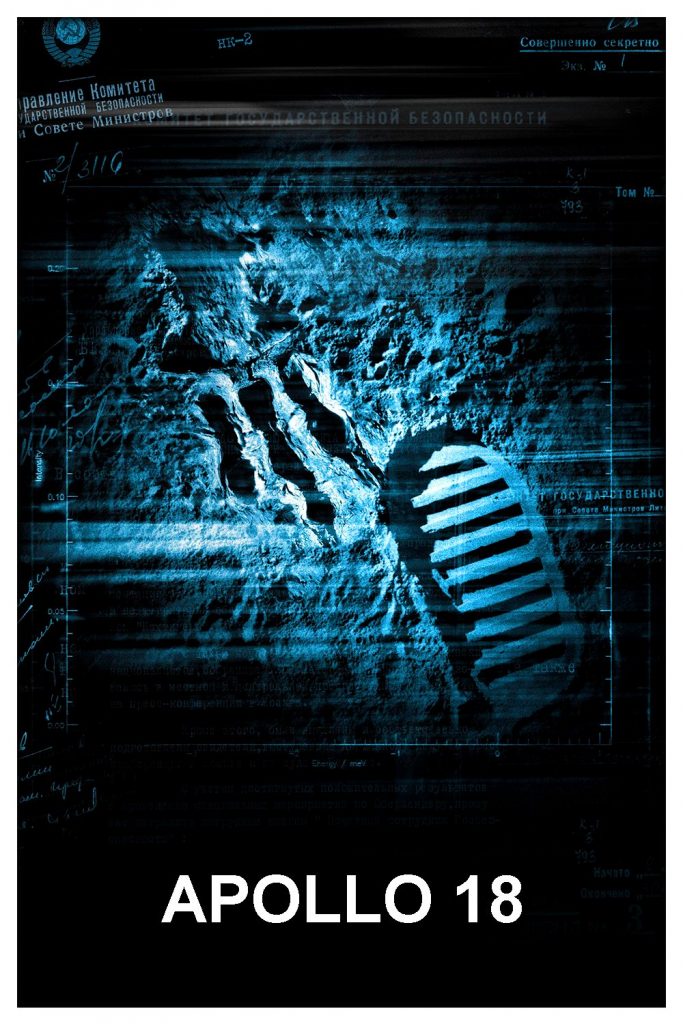
It is, however, a gloriously bat-crap idea: a secret mission to the Moon, dead cosmonauts, and creatures that turn the lunar surface itself into a hostile ecosystem. And somehow, against all odds, it works… at least enough to get under your skin.
The Apollo programme gave us all sorts of things from memory foam to microchips. According to director Gonzalo López-Gallego, it should also have given us nightmares.
Cosmic horror isn’t new, but Apollo 18 grounds it in a way that makes it feel uncomfortably plausible. There’s no grand spectacle here, just grainy footage, failing equipment, and three men very politely realising they are not alone.
We’re told, via stark opening cards, that the footage has been assembled from material uploaded to the now-defunct lunartruth.com. Our unlucky trio, Commander Nathan Walker, Lieutenant Colonel John Grey, and Captain Ben Anderson, are sent on a classified mission to deploy surveillance equipment on the Moon.
Naturally, things go sideways.
They discover a dead Soviet cosmonaut, his suit packed with rocks. The mission gets the all-clear to wrap up and head home. Then things get worse. Then worse again. Then decidedly worse, until all that’s left are memorial photos and a very strong argument for never going back.
At a lean 86 minutes, it never overstays its welcome. The pacing is brisk, the tension builds nicely, and if you buy into the premise, there are some genuinely effective moments of dread.
Is it formulaic? Absolutely.
Is it ridiculous? Without question.
But it’s ridiculous in exactly the right way.
A found footage film served with the cold sterility of Apollo-era space travel, a dash of body horror, and a generous helping of government conspiracy.
And, of course… rock spiders.
The Bay (2012)
AKA: Jaws for Isopods
What do you get if you put the producers of Paranormal Activity in a room with the director of Rain Man, give them a $2 million budget, and set them loose?
You get one of the best eco-horror films ever made.
The project began when director Barry Levinson was asked to make a documentary about the very real environmental issues facing the Chesapeake Bay. When he found out that Frontline had already covered the topic, he turned the research into a chillingly plausible horror film instead. Levinson later claimed that around 80 per cent of the film’s information was based on genuine ecological issues.
The film opens by claiming the footage was suppressed by the U.S. government until it was anonymously leaked online.
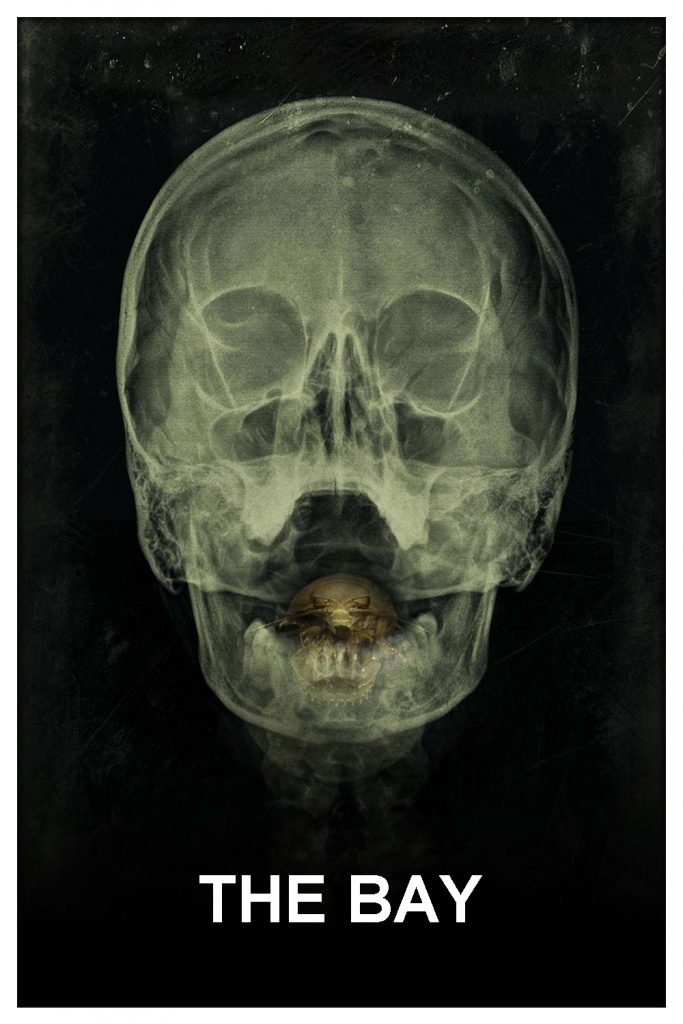
Something is rotten in the state of Maryland, and it isn’t the clam chowder. After an Independence Day celebration, people begin to fall horribly ill. Victims develop gruesome lesions, behave erratically, and die within hours. At first, it is blamed on a virus, but the truth is far nastier: mutated tongue-eating isopods lurking in the bay’s water.
Thanks to steroid-laced runoff from a nearby chicken farm, the little monsters have grown wildly out of control. They begin by feeding on fish before graduating to humans, eating them from the inside out.
Naturally, the danger had already been spotted by a pair of slightly eccentric oceanographers, but their warnings were ignored by local officials because horror films would be over in ten minutes if anyone listened to the scientists.
Then all hell breaks loose.
The town collapses into chaos. Police, doctors, and residents are overwhelmed, the government cuts off communication, and help never arrives.
By the end, the authorities solve the parasite problem with enough chlorine to make the whole place smell like a public swimming pool, then quietly sweep the entire disaster under the rug.
Like all the best horror films, The Bay works because it feels horribly plausible.
You finish it with a sudden urge to never drink tap water again.
As Above, So Below (2014)
AKA: Reasons to Stay Above Ground.
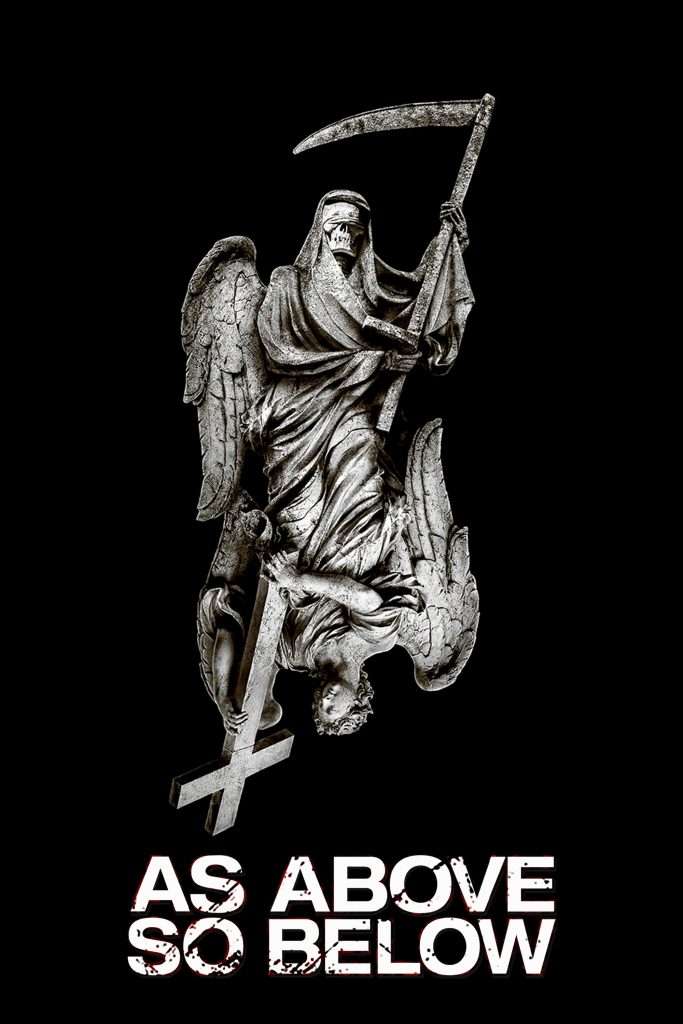
Paris is mostly built on the bodies of dead Parisians. More than six million people are entombed beneath the streets of the so-called City of Light.
As Above, So Below was the first film ever granted official permission to shoot inside the real catacombs beneath Paris. It went on to become a surprise box-office success, pulling in over $40 million on a modest budget.
Apparently, filming was not a good time. With no electricity, no phone signal, and unreliable radio reception, the crew often had to rely on the actors’ headlamps to light the scenes. Cast members spent weeks crawling through cramped tunnels, often on all fours, usually in water, and frequently smashing their heads on ancient stone ceilings. A few of the film’s scares, including “The Choir” scene, were apparently kept secret from the cast, which explains why everyone looks genuinely terrified.
Apparently, filming was not a good time. With no electricity, no phone signal, and unreliable radio reception, the crew often had to rely on the actors’ headlamps to light the scenes. Cast members spent weeks crawling through cramped tunnels, often on all fours, usually in water, and frequently smashing their heads on ancient stone ceilings. A few of the film’s scares, including “The Choir” scene, were apparently kept secret from the cast, which explains why everyone looks genuinely terrified.
The film follows Scarlett Marlowe as she searches for the philosopher’s stone beneath the streets of Paris. She drags a small team of friends, guides, and a cameraman into the catacombs, because apparently “redshirts” were unavailable that week.
Down below, things go sideways quickly.
The deeper “Team Tomb Raider” descends, the stranger the tunnels become. They encounter cryptic clues tied to alchemy, Nicolas Flamel, hallucinations from their own pasts, and eventually a twisted mirror version of the catacombs that feels less like underground Paris and more like a guided tour of Hell.
One by one, the group are either driven mad, dragged away, or forced to confront the parts of themselves they were hoping to leave buried.
Scarlett eventually realises the only way out is down.
Which is either very profound… or exactly the sort of thing you tell yourself when you are trapped in a subterranean nightmare maze
Essentially, As Above, So Below is a bit like Indiana Jones and the Last Crusade if it got heavily into Inferno and forgot to take its anxiety medication.
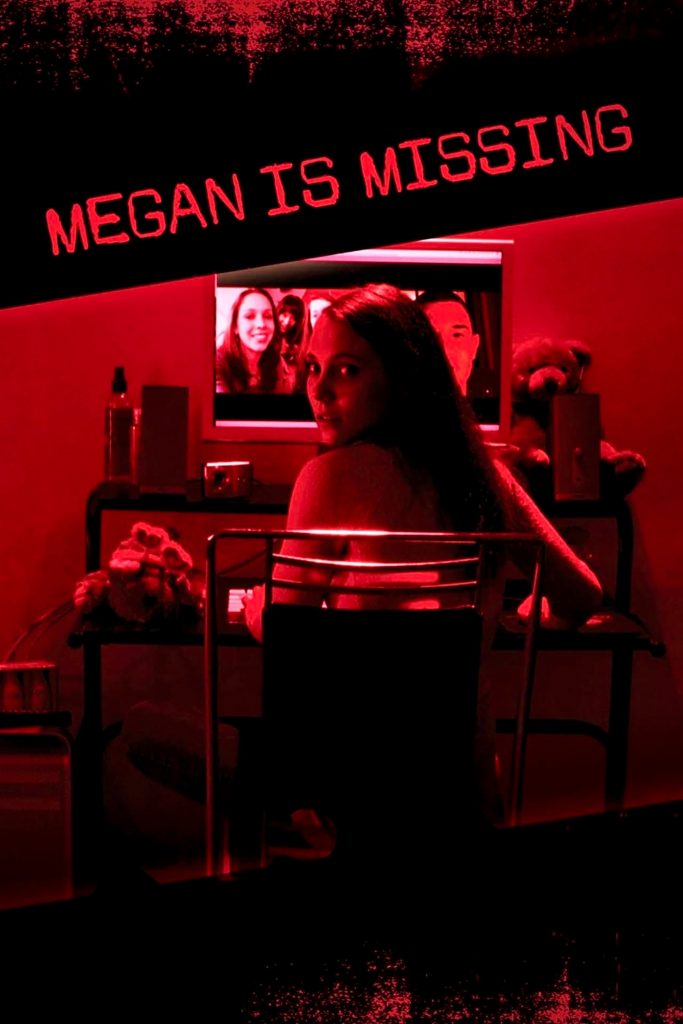
Megan Is Missing (2011)
AKA: Delete Skype Now!
Made on a shoestring budget so tight they couldn’t afford the aglets, Megan Is Missing is proof that you do not need a crew of thousands, expensive special effects, or Hollywood money to make something genuinely upsetting. Sometimes all you need is a good idea and the sheer bloody-mindedness to drag it into existence
Costing just $35,000 and featuring mostly first-time actors, it was written in ten days and shot in a single week. Writer-director Michael Goi delivers a bleak, nasty, and deeply plausible story that would later feel like the prototype for an entire subgenre of “the internet was a mistake” horror.
Despite the breakneck production, the film took years to emerge. It was first conceived in 2006, shot in 2008, and finally released in 2011.
The story follows two teenage best friends who could not be more different: Megan, popular but troubled, carrying the scars of earlier trauma, and Amy, shy, sheltered, and far more cautious.
Megan begins talking online to a stranger called Josh, who refuses to show his face on webcam and raises enough red flags to outfit every bullfighter in Spain.
Naturally, she agrees to meet him in person.
That decision goes about as well as you would expect.
Megan disappears, and Amy starts digging into the truth, uncovering disturbing images and clues online that slowly reveal Josh is something far darker and more dangerous than anyone imagined.
The film found a second life years after release, thanks in part to TikTok users filming themselves reacting to it with increasingly theatrical Gen Z fits of the galloping vapours.
For all the occasionally clunky dialogue and rough edges, Megan Is Missing works because it feels horribly plausible.
It does not feel like a ghost story.
It feels like a warning.
The Poughkeepsie Tapes (2007)
AKA: America’s least funny home movies
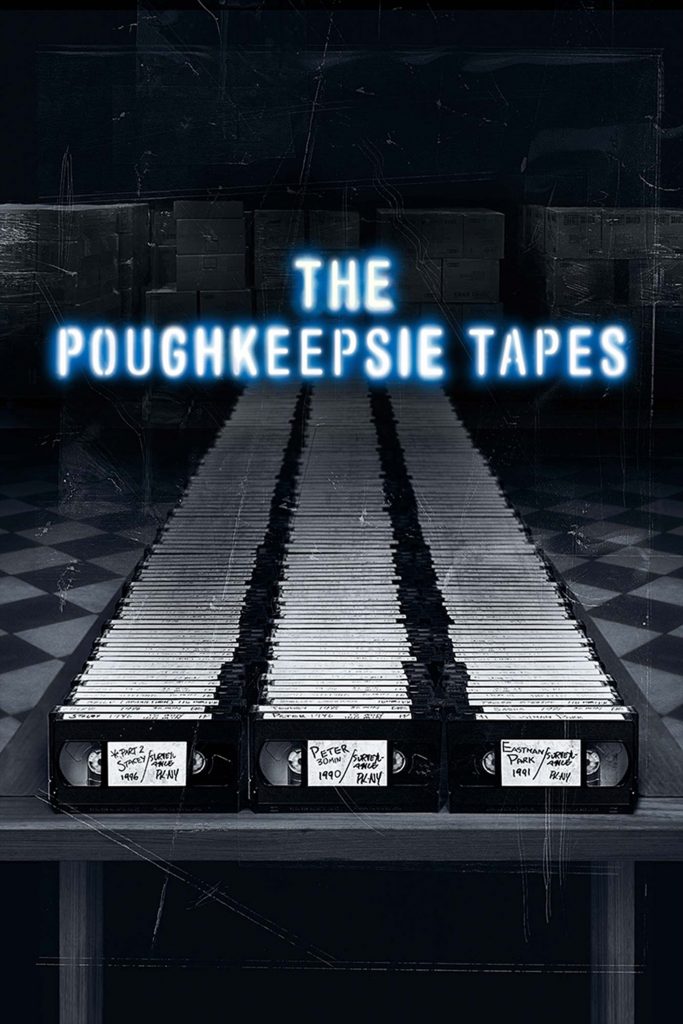
Brothers John Erick Dowdle and Drew Dowdle wanted to stretch their relatively small budget as far as possible, so they presented the film as a mix of documentary footage and “home video” recordings. The result is a faux-true-crime nightmare built around a serial killer’s personal archive of more than 800 tapes.
Filmed in just 15 days and seemingly under some sort of pharaoh’s curse, the movie premiered at the Tribeca Film Festival in 2007 and was supposed to get a full cinema release the following year. Instead, it was abruptly pulled by MGM despite the advertising already being out in the wild. A rough cut leaked online in 2010, and the film would not get a proper release until years later.
That odd release history somehow makes it feel even more cursed.
The Poughkeepsie Tapes has a certain quality that makes it a hidden gem for found footage and true crime fans. For everyone else, it feels like sitting through Hannibal Lecter’s holiday videos.
Edward Carver is a serial killer with two great passions in life: murder and camcorders.
He records everything. The abductions. The taunting phone calls. The torture. The murders. Every tape becomes more elaborate and theatrical as his confidence grows, and because he keeps his face hidden or disguised, the police and FBI are never able to get close to catching him.
Eventually, Carver becomes so comfortable that he starts taunting investigators directly, planting clues in CCTV footage and leading the authorities in circles.
The film’s greatest strength is how utterly convincing it feels. The talking-head interviews, the grainy footage, the awkward pauses, the terrible fluorescent lighting… it all feels horribly authentic.
There are moments in this film that genuinely feel less like horror scenes and more like evidence.
By the end, investigators are forced to admit they still have no idea where Edward Carver is.
Which means, according to the film, he could still be out there.
Watching.
And possibly filming.
Banshee Chapter (2013)
AKA: Fear and loathing in Area 51
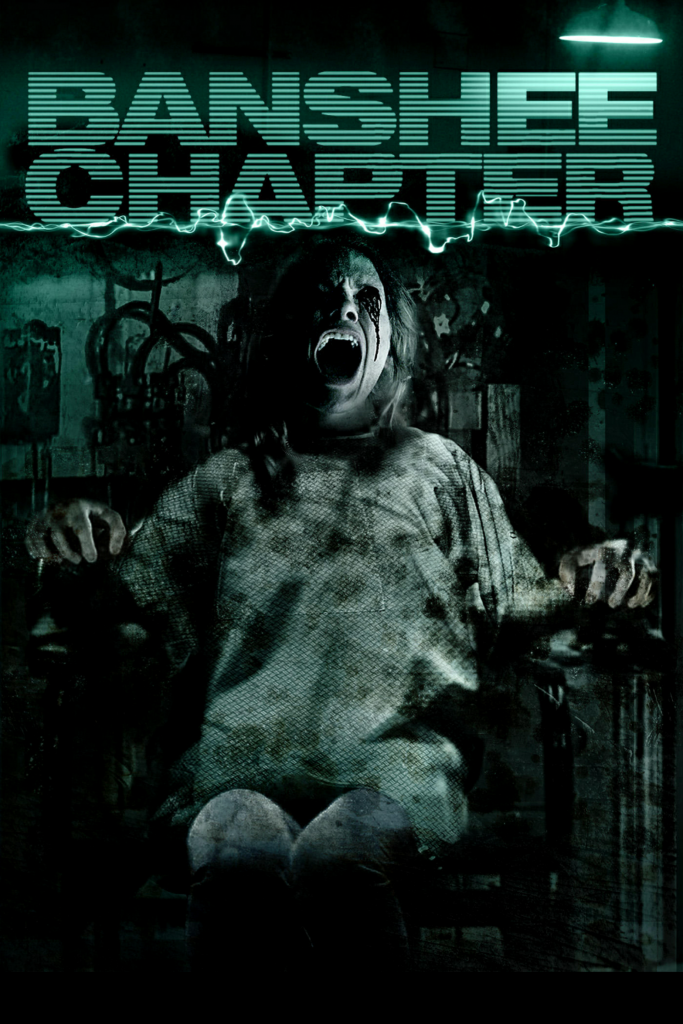
Originally, Christopher Nolan was attached to direct the film, but instead, he wandered off to make a little movie called Interstellar.
That left Banshee Chapter as the directorial debut of Blair Erickson, starring Ted Levine and Katia Winter. Loosely inspired by From Beyond and the real-life horrors of Project MKUltra, it mixes conspiracy theory, cosmic horror, and hallucinogenic nightmare fuel into something that feels like the universe itself has loose floorboards.
It premiered at the Fantasy Filmfest in 2013, then was released on VOD later that year, like an alien abductee quietly returned to a cornfield in the dead of night.
We follow Anne, a journalist investigating the disappearance of her friend James after he experiments with DMT-19, a drug tied to MKUltra.
Before vanishing in a puff of plot smoke, James records himself taking the drug, only to encounter a black-eyed figure, strange sounds, and a mysterious radio broadcast that seems to come from somewhere it really should not.
As Anne digs deeper, she discovers that DMT-19 does not just alter perception.
It opens doors.
And what is on the other side is very interested in coming through.
According to the film, the drug was developed after the government received instructions from these entities, using material taken from a corpse known only as “The Primary Source”, presumably because “Dead Body Drug Factory” did not test particularly well with focus groups.
Anne eventually teams up with counter-culture writer Thomas Blackburn, played by Ted Levine, with such aggressive Hunter S. Thompson energy that you half expect him to burst through the desert in a red convertible full of mescaline and bad decisions.
Together, they trace the source of the radio signal to an abandoned desert laboratory where they find the broadcasts are coming from a still-living Primary Source, wired into banks of radio equipment like the world’s worst podcast guest.
By this point, Banshee Chapter has stopped pretending to be a grounded conspiracy thriller and has fully committed to becoming a panic attack about things man was not meant to know.
Which, frankly, is exactly what Lovecraft would have wanted.
So, there we have it, my friends, ten found footage films that blur the line between horror and evidence, from rock spiders on the moon to a cursed Zoom call to serial killers, ecological disasters, and dark things lurking just on the edge of the frame.
Peace, Love, Corn syrup

Leave a Reply