The Silence of the Lambs: Book Vs Film
By
Robin B Devlin
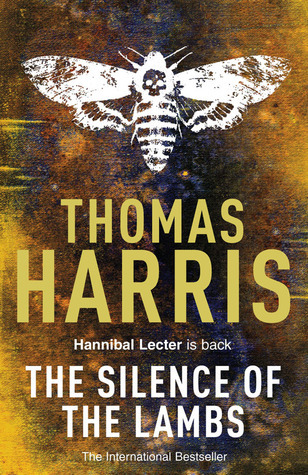
First unleashed on an unsuspecting book-buying public in October 1981, Hannibal Lecter has been a pop culture icon since he was brought to the screen by Brian Cox in 1986’s Manhunter, which was based on the novel Red Dragon. However, the character really took shape after Sir Anthony Hopkins’s terrifying, calm, charismatic portrayal of the sociopathic, cannibalistic Doctor Lecter, which propelled the character into cultural immortality.
That isn’t hyperbole either. The Silence of the Lambs was selected for preservation in the Library of Congress National Film Registry in 2011. It was deemed “culturally, historically, or aesthetically” significant and is being preserved as a national treasure (without the need for Nick Cage to steal the Declaration of Independence).
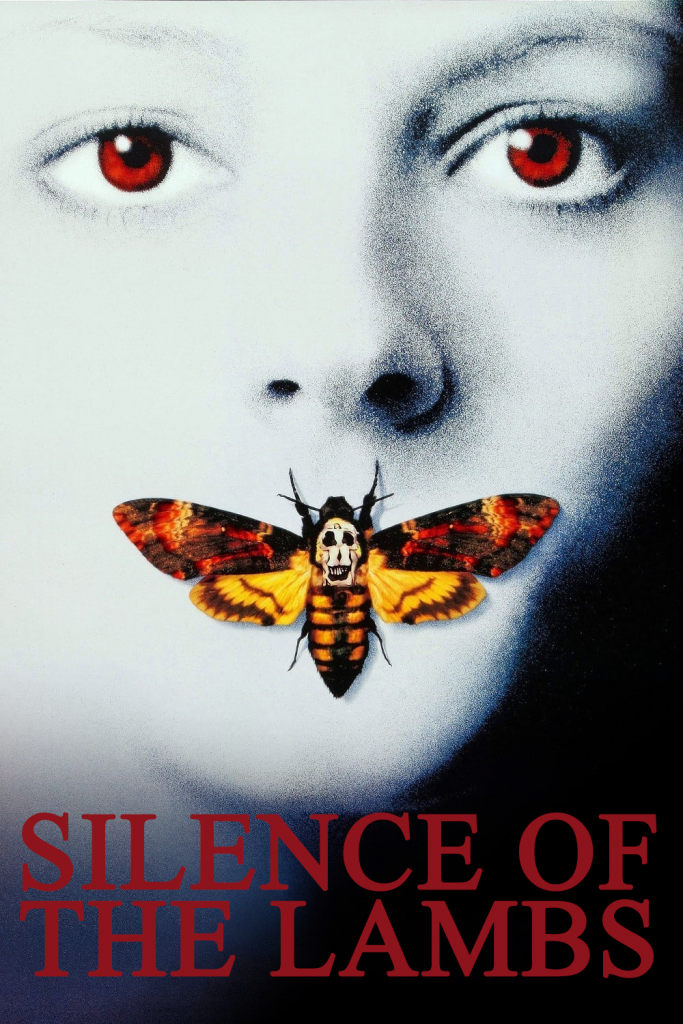
Here, we are going to put Thomas Harris’s 1988 novel and Jonathan Demme’s 1991 film side by side, dissecting what each version does better, what they change, and why both still cast such a long shadow over horror and thriller fiction. Most importantly of all, we are going to tackle the biggest question in the room… have the lambs finally stopped screaming?
The novel and the film can be oversimplified into the thesis statement: To catch a dangerous serial killer, FBI trainee Clarice Starling must get close to a much worse monster… hilarity ensues.
There is way, way more to it, though.
The Big Similarities
The overall plot is almost a one-to-one copy. Clarice is sent into the tiger’s cage to interview Lecter, and he slowly warms to her and starts playing mind games. Clarice respects and fears the terrifying and charismatic Doctor, who is incarcerated for killing (and eating) at least nine people (a number that he gleefully adds to during both the book and the film).
Lecter takes offence when an inmate, ‘Multiple’ Miggs, flings semen at Starling and gives her a clue to follow to lead her on the right path. All the major scenes from the book are there, the initial meeting, the discovery at the storage locker, ‘Buffalo Bill’ kidnapping Catherine Martin, Lecter’s escape and the climax in Buffalo Bill’s sprawling basement.
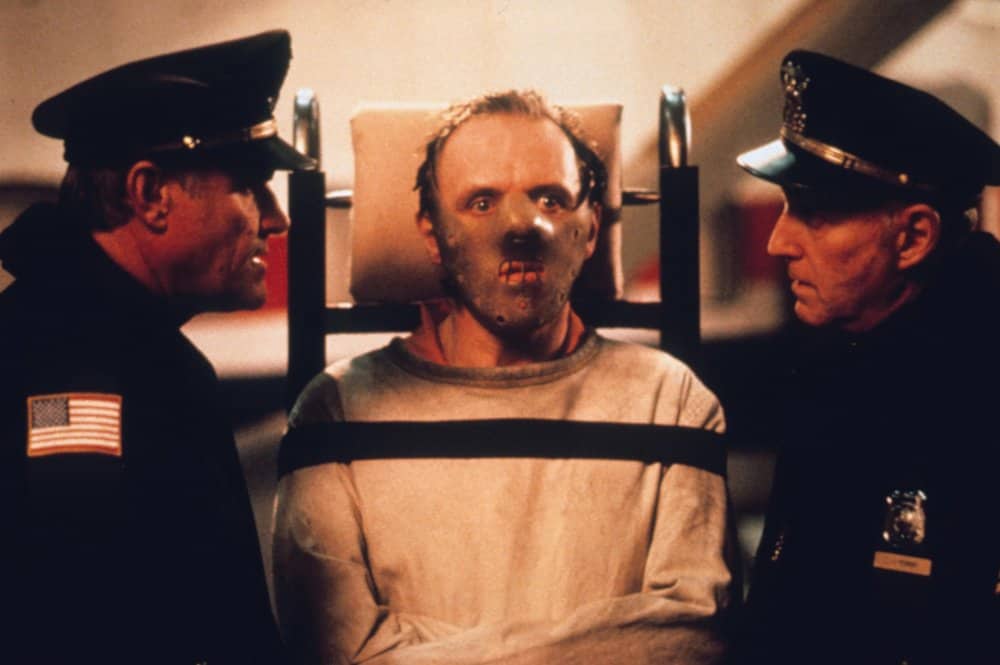
The dialogue of the film is heavily influenced by Thomas Harris’s book, often lifting directly from the book; famous lines like “I ate his liver with some fava beans and a nice chianti” are straight from the novel.
The characters of Clarice, Lecter, Crawford, Chilton, Buffalo Bill, Catherine Martin, and even Barney are all very close to the source material. In fact, in both the novel and the movie, the focus is heavily on Clarice being underestimated by a misogynist and male-dominated profession. Shown in the movie by camera angles and crowds of men all staring at her, visually showing what the novel deals with internally.
The Big Differences
Due to the nature of the book, we spend the lion’s share of it behind Clarice’s eyes; we spend a lot of time in her head. We get to literally read her thoughts, fears, memories, and insecurities, all of which drive her to prove herself. In the film, they need to show us these things through clever use of camera angles and scene framing.
Jame ‘Buffalo Bill’ Gumb gets a lot more backstory in the book. In the film, he is almost a phantom that floats in without a trace, and although Ted Levine played the part of Gumb perfectly, there was so much more to the character as written by Thomas Harris. In the book, we delve into his childhood, his abusive upbringing, a string of foster homes and his obsession with transformation. It takes the monster from under your bed and shows you his baby photos.
One of the big changes is Jack Crawford, although Scott Glenn did a good job portraying the ‘tough but fair’ Behavioural Science Unit chief. The book humanises him so much more by giving him a dying wife, which gives him an extra layer of sadness and pressure. The film cuts this entirely to keep the focus tightly on Clarice.
The book is almost a manual on FBI procedural details. With much more information on profiling, evidence gathering, autopsies, forensic work, and how Clarice slowly pieces everything together. A lot of that is cut in the movie, because although it makes for an interesting few paragraphs, watching it happen on the screen would be dull as graveyard dirt.
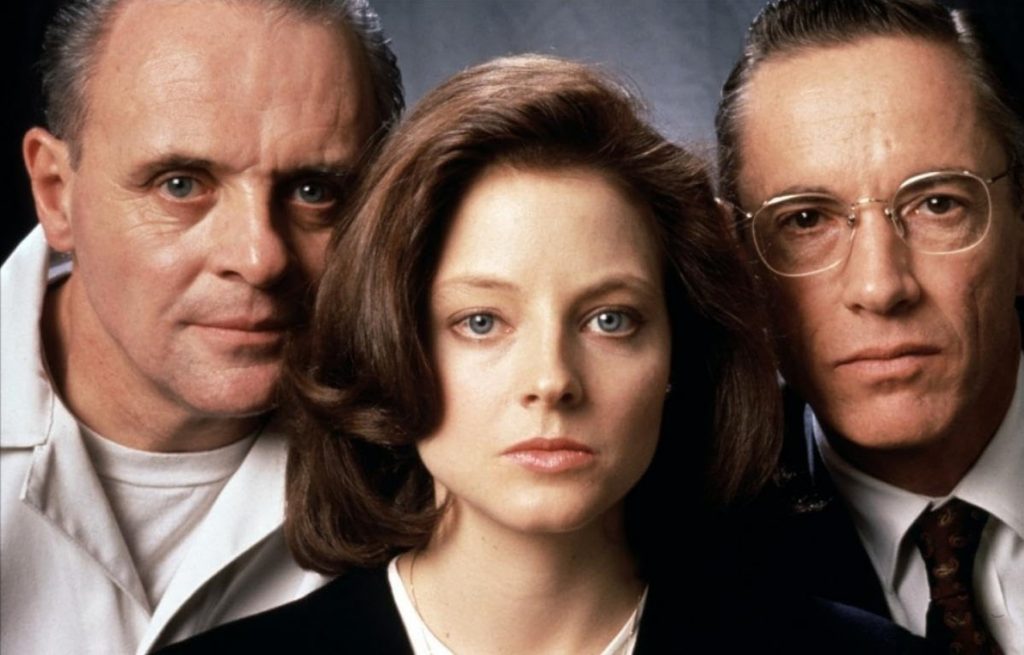
Hannibal has a different feel in the movie than in the novel. There is no doubt that the Lecter in the book is a scary dude. But he is more talkative, analytical, and, in a way, strangely playful. You can really believe that he was once a psychiatrist. The film version presents a much colder, sharper, and almost supernaturally perceptive version of the character. Anthony Hopkins is on screen for only about sixteen minutes of the film’s 118-minute runtime, but his presence is woven throughout; he looms over it all like a smirking gargoyle with exquisite table manners.
The endings are slightly different, but the book ending stuck with me more. The film climaxes with Lecter calling Clarice from a tropical location and telling her he is ‘having an old friend for dinner’, which is his wonderfully polite way of informing us that Dr Chilton is about to become the main course.
The novel ends with Lecter doing his correspondence, preparing to make the final cosmetic changes to his appearance, and, as for his animosity towards Chilton, he advises that it will probably be best to tattoo feeding instructions onto his forehead to save the staff at the institute where he will end up.
Also, in the book, Jame Gumb has an absolutely heartbreaking death scene, in which his last words to Clarice are “How does it feel to be so beautiful?” It is creepy, sad, and strangely poetic in that Thomas Harris sort of way.
From page to film
The Silence of the Lambs, as all bibliophiles and horror aficionados are quick to point out, is actually Dr Lecter’s second sojourn to our nightmares. The first was Red Dragon, published in 1981, and adapted into Manhunter in 1986. Manhunter was a bit of a flop, only clawing back 8.6 million dollars from a budget of 14-15 million dollars.
This actually helped The Silence of the Lambs get made. Because the original Manhunter did so badly at the box office, producer Dino De Laurentiis let Orion Pictures use the rights to Hannibal Lecter for free, basically gifting the most popular and iconic villain since Darth Vader to Jonathan Demme.
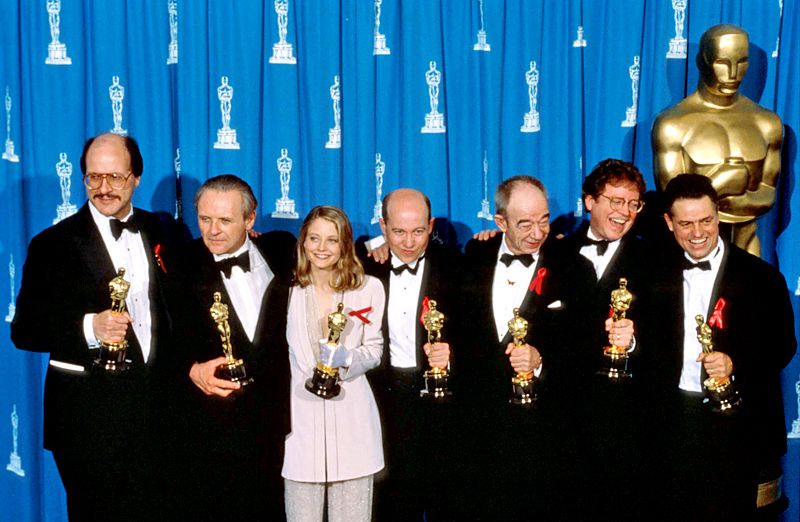
The Silence of the Lambs won the “Big Five” Oscars: Best Picture, Director, Actor, Actress, and Screenplay. Only three films have ever managed that trick. It also remains the only horror film to win Best Picture. Ever.
The role of Lecter was originally intended for Sean Connery, who turned it down because he was disgusted by the character’s dark nature and the script. Remember that Connery also turned down both the roles of Gandalf and Dumbledore; clearly, one truly iconic character is enough for him. Other actors considered for the role of Lecter included Al Pacino, Robert De Niro, Dustin Hoffman, Jeremy Irons, and Daniel Day-Lewis.
When Anthony Hopkins first heard the title The Silence of the Lambs, he asked his agent, “Is it a children’s story?” After reading just ten pages of the script, he phoned back and called it “the best part I’ve ever read.” Hopkins drew on the eerie voice and icy demeanour of Lecter partly from the calm, emotionless computer HAL 9000 in 2001: A Space Odyssey and partly from writer Truman Capote. A combination that somehow makes no sense at all and is, nevertheless, a perfect combination.
Originally, Gene Hackman was attached to direct the film and possibly play Lecter or the head of the behavioural science unit, Jack Crawford. Hackman dropped out after his children urged him not to make any more violent films.
The role of director eventually fell to Jonathan Demme, who signed on to direct before the screenplay was even finished, simply because he loved the novel so much.
Demme saw the story not so much as a horror film, but more as a “woman’s picture”, with Clarice surrounded by taller men in oppressive environments. The camera keeps us grounded in her point of view, so we see most of the scenes she is in, with her fellow actors delivering their lines directly to us, which is very unsettling when Dr Lecter sits in our heads and starts to rearrange the furniture.
Scott Glenn was cast to play Jack Crawford, who, as part of his preparation for the role, met with real-life FBI profiler John E. Douglas. Douglas played him actual recordings that were made by real serial killers torturing and killing a victim. It affected Glenn so deeply that he cried while he listened to them and later said that they had altered his stance on the death penalty.
As truly amazing as she is in the iconic role, Jodie Foster was not the first choice to play Clarice Starling. Despite her passion for the role, Demme didn’t initially think she was right for the role. His first choice was Michelle Pfeiffer, who turned it down because the material was too dark. Meg Ryan also passed on the role.
The electric chemistry between Lecter and Starling is partly due to the fact that the actors managed to scare the shit out of each other for real. Foster found Hopkins (who is famously one of the nicest actors in Hollywood) terrifying while he was in the role, and Hopkins used the intimidation Foster instilled in him to make the role truly his own.
The Cultural Influence
More than thirty years later, The Silence of the Lambs still has its exquisite silverware buried deep in pop culture. Very few films have managed to be this intelligent, disturbing, quotable, and influential all at once.
The Silence of the Lambs was truly a watershed moment in horror cinema. It took the idea that scary films could be taken seriously and truly ran with it. Much of this is due to the source material’s excellent writing. As well as the legendary directing, the acting is superb, with characters like Clarice Starling, who is smart, capable, and wonderfully vulnerable, never reduced to the ‘final girl’ trope.
Horror and thriller films are not just tedious gore fests for slightly off-putting loners who also collect knives. The Silence of the Lambs proved they could be prestige cinema too: grown-up, intelligent, and capable of standing shoulder to shoulder with any drama. You can see its toothmarks all over later stuff like Se7en, Zodiac, Mindhunter, and Criminal Minds. Hannibal himself became the blueprint for the “intelligent serial killer” trope: the cultured, eloquent villain who can dismantle a protagonist with a few carefully chosen words. And all this with just over a quarter of an hour of screen time. (That’s just about 13.5% of the film’s 118-minute runtime) The lambs will never stop screaming, and Hannibal will never stop smiling.
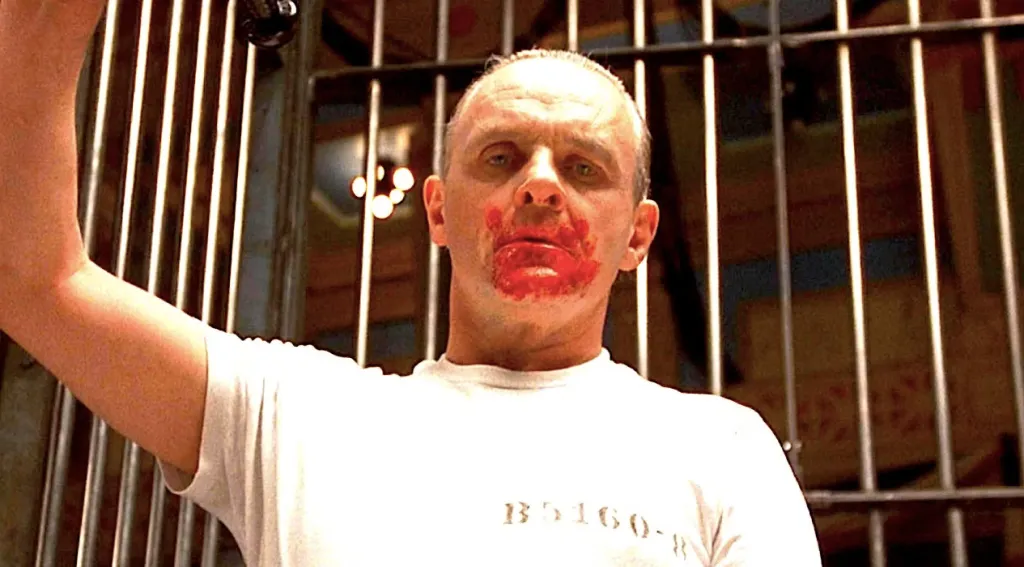
The legacy of The Silence of the Lambs is not spotless; some modern viewers may take issue with the portrayal of Buffalo Bill and the way the story brushes up against ideas of gender identity and trans representation. Although the film repeatedly states that Buffalo Bill is not transgender, it has still been criticised for reinforcing harmful stereotypes, and even members of the cast have reflected on that in recent years.
For all of that, though, The Silence of the Lambs remains one of the most influential thrillers ever made: intelligent, disturbing, endlessly quotable, and still capable of making audiences want to leave the lights on.