Horror Tropes Under the Knife
The Final Girl: Horror’s Last Woman Standing
In Horror Tropes Under the Knife, we’ll be looking at the bones and sinews of popular horror tropes: where they came from, why they stuck around, and how they have evolved over time. First on the slab is one of horror’s most enduring figures: the Final Girl.
You know the image.
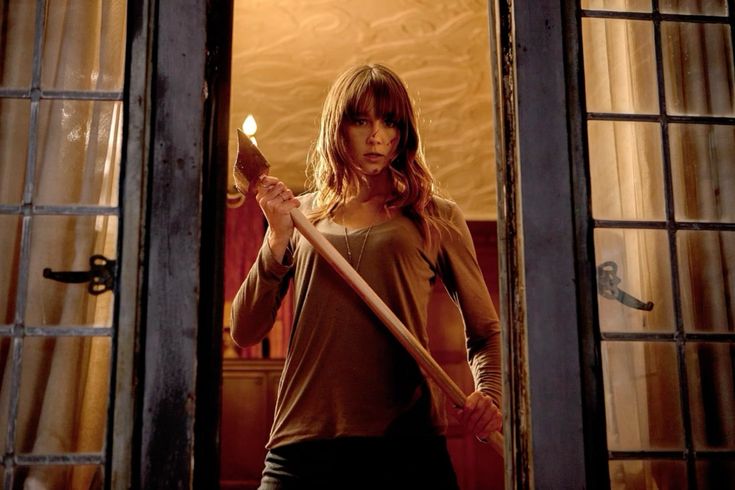
The survivor stands bloodied but not beaten, hair plastered to her face, dirt and twigs clinging to her like trophies from the nightmare she has just crawled through. Maybe she is leaning on the axe she used to keep herself alive. Maybe she is clutching a shotgun like a security blanket. Either way, she radiates something quiet, lethal, and newly forged.
She has bungee-jumped into the pit of hell, fought whatever bogeyman this movie has decided to dress as the devil, and now she limps alone into the dawn as sirens approach, wailing like mournful banshees for the friends she couldn’t save.
She is the last one standing.
The girl who looked death in the eye and made it blink.
She is the Final Girl.
And this is her story.
Who is the Final Girl?
In a horror movie, the Final Girl is the last surviving central female character. A trope heavily associated with slasher films, the Final Girl often endures the killer’s rampage long enough to fully understand the danger, confront it, and either escape or kill it. Re-kill it, in many cases.
She is not simply the last named character left alive by the time the credits roll. She is the audience’s emotional anchor. More than just an observer to the horror, she is often the only one able to see the monster, hidden in plain view, clearly enough to fight back.
The nice, neat, simple, bloodless definition of the Final Girl is that she is the last woman standing at the end of a horror movie. But the truth is much more interesting than that. She is not just a survivor, or even just the survivor. She is the one who sees the shape of the nightmare before anyone else does. Before the stoner comes down. Before the jock leaves the gym. Before the sorority girl finishes putting on her lip gloss.
The Final Girl sees the pieces and puts them together.
She is a witness, a warning bell, and a prey animal turned dangerous. By the final act, she has stopped being merely hunted and become something far sharper: the one who drags the killer into the light of the dawn.
Where Did she Come From?
Far from arriving in a celestial lightning bolt at a fixed point, carrying a bloodied axe, a trauma counsellor on speed dial and a badass quip, the Final Girl evolved over miles of celluloid, one blood-soaked misadventure at a time.
Before she had a name, she had a shape.
The horror landscape started to change permanently in the 1970s. Although Gothic castles, velvet capes and severe overbites had not vanished, they weren’t the whole story anymore. Monsters were coming closer to home. No longer just a bloodsucker in a decaying European manor, or a cobbled-together jigsaw man held together by mad science and bad stitching. The monster was now a stranger in your house, a nameless thing in the woods, a hulking shape at the window, or a man standing silent and unmoving in the background for the last ten minutes.
The slasher movie had started to sharpen its favourite knife.
Black Christmas and The Texas Chain Saw Massacre, both released in 1974, helped establish what would become a classic pattern. A small group of pretty young stereotypes wander into danger like lambs to the slaughter. They are then picked off one by one. Movie logic takes over. The police are as much use as a waterproof teabag; likewise, any adults who are not conveniently absent; and help is always a scream too late. Then, around the third act, when the bodies have stacked up like Jenga bricks, one woman remains.
In The Texas Chain Saw Massacre, widely regarded as one of the earliest examples of the modern slasher, Sally Hardesty does not defeat Leatherface. Not in any clear, clean, triumphant sense. She does, however, survive him. She screams, runs, suffers, escapes and laughs like a maniac as the nightmare recedes behind her like a bad taste spat into the night. It is not heroic victory. It is something stranger and more intangible than that. It is survival as an act of defiance. She is not composed, or polished, or standing in the dawn looking like a poster. She is shattered, alive and permanently changed.
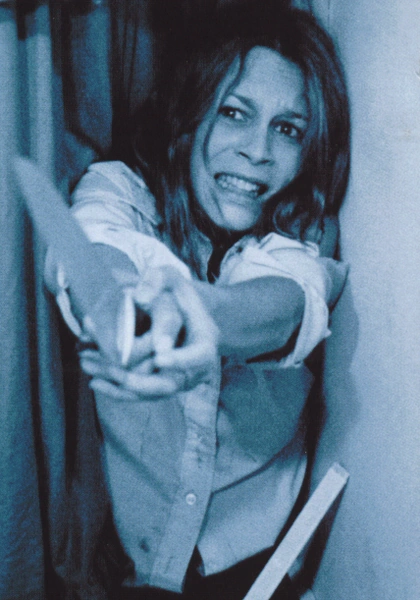
Then we have Laurie Strode in Halloween (1978), and with her debut, the pattern became much harder to miss.
Laurie notices things that others miss. She senses the shape of danger, and indeed the danger of the Shape, before anyone else takes it seriously. While her peers are caught up with pedestrian teenage concerns, Laurie keeps catching glimpses of Michael Myers: across the street, behind the hedge, near the school, outside the house. He is hidden in plain sight, and she is the one who sees him.
That is vital.
The Final Girl is not just the one who happens to be alive at the end. She is usually the first one to recognise that the world has gone wrong.
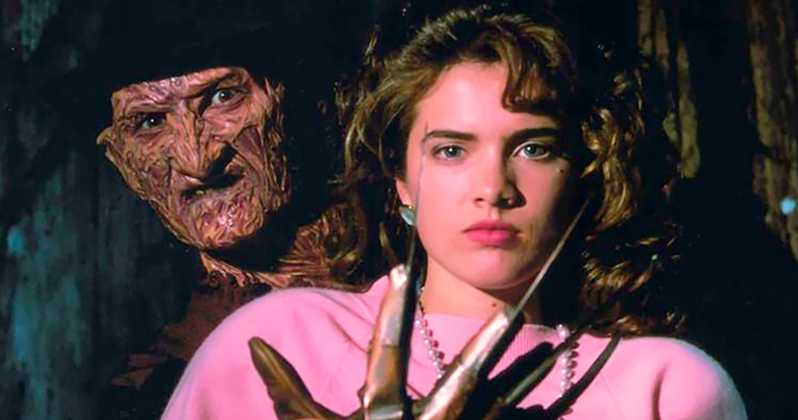
Starting in the late 1970s and continuing through the early 1980s, all this settled into a recognisable rhythm. Friday the 13th (1980) gave us Alice Hardy. Nancy Thompson followed in A Nightmare on Elm Street (1984), adding to the Final Girl mythology by studying Freddy Krueger like an exam question with a lethal manicure. Nancy doesn’t simply run from the monster. She researches him, lays traps and plans for him.
As well as being more observant, emotionally grounded and cautious, the Final Girl is frequently coded as “good”, or more precisely, virtue-coded. She doesn’t smoke, drink, or behave in a sexually promiscuous way. She is never the bully or the mean girl. She never wanders around the garage saying, “Chad? Is that you?” It’s never Chad.
No one set out to create her. No one, at the start, deliberately penned her as a fixed archetype. The term came later. The pattern came first. Critics, audiences and smart-arse internet writers looked back across the wreckage of a whole cycle of slashers and kept seeing the same figure staggering out of the smoke: the last young woman, bloodied, traumatised and alive.
The Final Girl.
The Rules of Survival
I’ve written at length, with all due solemnity and only minimal frothing, about the rules for surviving a horror movie. Don’t split up. Don’t investigate noises. Run out, not up. Don’t have sex. Once you have killed the thing, kill it again. Preferably until what remains looks less like a body and more like a poorly made pizza.
But the Final Girl didn’t get to where she is just by following the rules.
That would be too easy, and if there is one thing horror hates almost as much as arrogant rich frat boys, it’s easy.
The Final Girl, in her classic form, survives because she is a barometer of the movie’s moral weather. When the pressure drops and the clouds start gathering, she notices. She is the first to understand that the world has stopped playing by ordinary rules and started following the rulebook of a nightmare.
In the first slashers of the 70s and early 80s, this often means that she was coded to be sensible, cautious, sexually restrained, if not downright chaste, and essentially morally “good”. While her peers drink, flirt, bully, wander off alone, play cruel pranks, or ignore obvious warnings from wild-eyed locals, the Final Girl observes and pays attention like it’s her job. She sees the individual pieces. When the warning signals pile up, she makes eye contact with the nightmare.
Put simply, she knows what sort of story she is in, even if she doesn’t realise it in those terms and could never say it out loud. That’s why she survives.
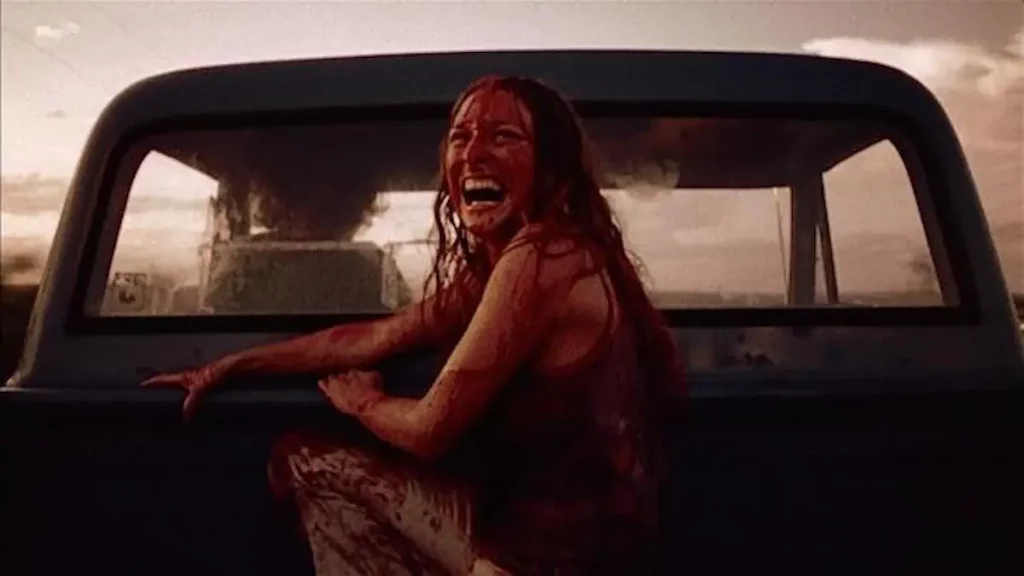
This is where the trope gets as fascinating as it is rancid. Because these rules are not neutral. The old-school slasher morality often implies that sex, drug use, vanity, cruelty, recklessness, and sometimes even simple curiosity are capital offences, punishable by a painful death, while restraint and caution might buy you a ticket to the final reel.
The Final Girl is the chosen survivor of a particularly nasty morality play.
If the Final Girl were simply shorthand for “the good girl,” then the trope would have died years ago, buried in a shallow grave with nothing to mark it but a machete and a bloodied hockey mask. She endures because the events of the narrative mould and change her. She starts the film as cautious, ordinary, maybe even mousy. By the end, she has become something else. She has become the only person capable of facing the monster.
It’s not her purity that enables her to survive.
Not solely.
She survives because she is adaptable.
Why the Final Girl Matters
So why does she matter?
Because of all the genres, horror needs a witness.
The monster can carve its way through the entire cast. It can gut the joker, the jock, the mean girl, the rich douchebag, the inexplicably horny couple who sneak off to enjoy the dreaded premarital sex, and even poor old Deputy Bumblefuck, who was two days from retirement and had no business checking that barn alone. But if nobody survives the roaring rampage, the horror has nowhere to go. It becomes a closed system full of bodies. A nasty little surprise for the cleaning staff, with no one left to tell the story of what happened.
The Final Girl is the person who carries the nightmare out of the dark.
She matters because she gives the audience somewhere to stand. At the start of the film, we might be encouraged to leer, laugh, judge, or play detective. But as the body count ticks up and the music grows heavy with minor chords, our attention narrows. We stop watching the group and start latching onto the survivor. We feel empathy for her because her fear becomes ours. Her breathing mirrors our own. When Laurie hides from Michael Myers in a wardrobe, we hold still.
She has become our anchor.
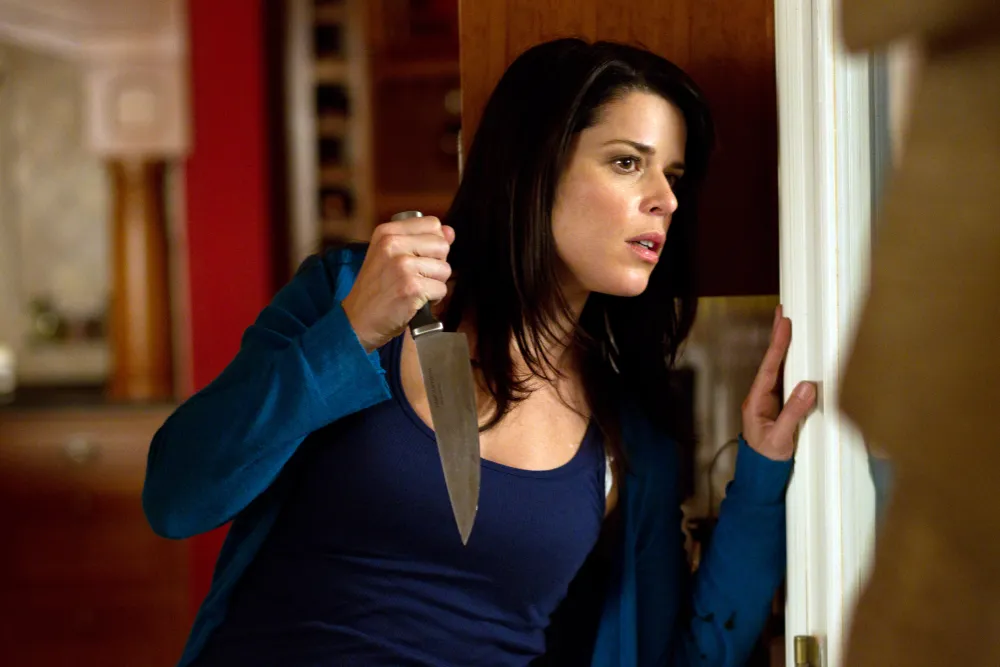
This is one of the clever little bits of narrative witchcraft at the heart of the Final Girl. She is vulnerable enough for us to fear for her, but strong enough to make her survival credible. She is not invincible. Far from it. She spends most of the third act getting her shit wrecked, until battered, exhausted, terrified and running on fumes, she somehow manages to keep going.
And that matters.
She is living proof that being scared does not mean being helpless. She can scream, cry, stumble, bleed and make mistakes, but she still fights back. She is afraid. Of course she is. She is powerful because she acts while frightened.
At her best, the Final Girl also shifts the focus of the movie away from the killer. A slasher sells itself on the monster behind the mask, the name whispered at sleepovers. Michael. Jason. Freddy. Leatherface. The poster might belong to the killer, but the ending belongs to the Final Girl.
The monster may be the icon.
The Final Girl is the story.
She changes. She is the one who sees. She crawls through the inner workings of the nightmare machine and comes out the other side carrying proof that the monster can bleed, drown, burn, or, at the very least, be stabbed enough times to seriously inconvenience them until the sequel needs him again.
That is why she endures.
How Modern Horror Changed Her
The classic Final Girl didn’t simply stagger off into the woods with a head wound when the closing credits rolled on the golden age of the slasher.
She evolved.
The original recipe for a Final Girl was that she be observant, cautious, sensible, and morally “good”. She picks up on the danger before anyone else. She keeps her head when all about her are losing theirs, often not metaphorically, and she lives long enough to make it to the credits.
The modern Final Girl is built differently.
Although she is probably still observant, still cautious, and still likely to be the first one to clock the reek of wrongness before anyone else does, she is no longer required to be pure, virginal, passive, polite, or palatably traumatised. Modern horror has made her meaner. She can now be angry, messy, self-aware, and in some cases more than halfway to being monstrous herself before the bodies start dropping.
The turning point can be traced back to Scream (1996) and Sidney Prescott.
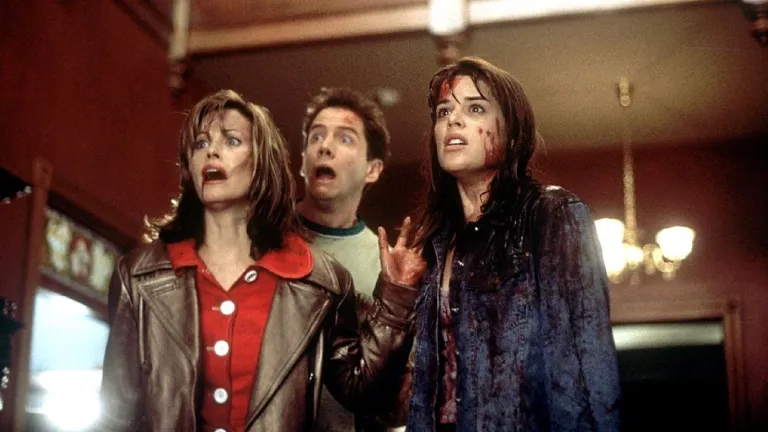
Sidney isn’t only a Final Girl. She is a genre-savvy Final Girl. She lives in a world where the rules of horror are spoken out loud by people who know exactly what sort of story they are trapped inside. The slasher commandments are dragged into the light and examined closely.
Sidney is not preserved by dint of being some pure, delicate porcelain doll. Sidney has sex, grieves, doubts, fights, gets angry, makes mistakes, and still makes it to the end. Scream doesn’t destroy the trope. It doesn’t even subvert it entirely. It updates it. Sidney becomes something new: the meta-Final Girl. The survivor who knows the rules, breaks some of them, and refuses to be punished for it.
Then there is Erin Harson in You’re Next (2011), who takes the trope, dials the kick-ass up to 11, and gives it steel-capped boots.
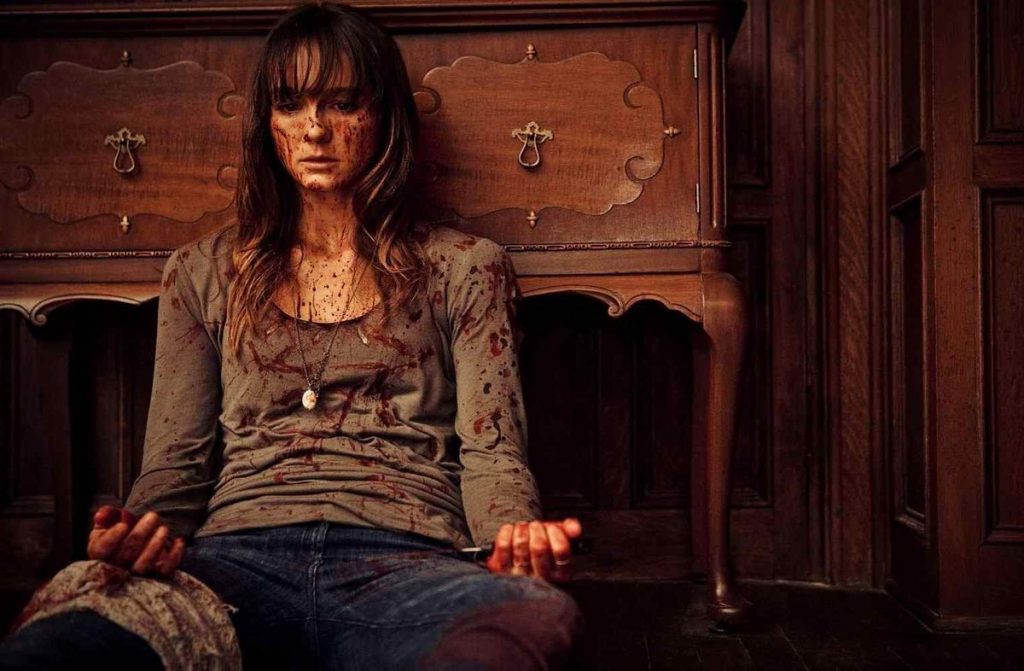
Erin isn’t chosen for protection by the horror gods because she is the most moral. Nor is she protected by chastity, innocence, or “good” behaviour. Erin survives because she is ruthlessly competent, and frighteningly good at killing masked sadists. The killers in the movie might think they are in a home invasion film, replete with soft targets and wealthy victims. In actual fact, what they have done is lock themselves in with a woman who knows a hundred ways to kill them with a crayon.
What she does so well is that she doesn’t simply react to the nightmare. She starts to manage it to her own advantage. She sets traps, uses the environment like a hunter, and makes quick, smart decisions. Erin treats the masked intruders not like unstoppable monsters, but like a series of problems with numerous weaknesses. She is not a lamb to the slaughter. She is a lamb who has been reading the slaughterhouse manual and knows where the bolt gun is kept.
Grace Le Domas in Ready or Not (2019) takes the trope in another new direction.
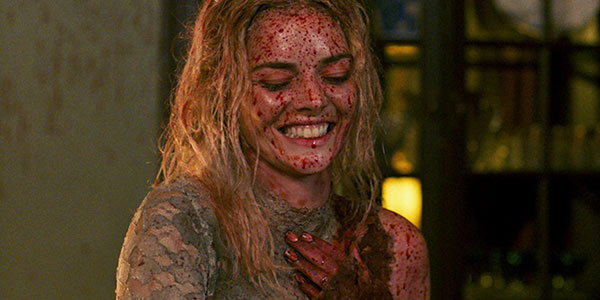
Grace is not singled out because she is reckless, sexual, foolish, or cruel. She is punished because she marries into a family of rich occult lunatics, which, to be fair, feels like something the groom should have mentioned somewhere between the first date and the cake tasting.
Her trial is not a moral litmus test, like in the slasher movies of old. It is more like class warfare in an elegant wedding dress. Grace spends the night being hunted through the family mansion by a group of rich idiots who treat murder as some twisted family tradition, in the same way that other families treat Christmas board games and arguments about the gravy. What begins as a naive bride’s desire for acceptance by her new in-laws ends with a bloodied and battered young woman lighting a cigarette, profoundly done with all their rich-person nonsense.
Grace is powerful not because she is some shrinking violet. Far from it. She is funny, furious, and gloriously unrefined. She becomes powerful because the movie keeps trying to feed her into a machine, and she keeps jamming the gears with sheer bloody-minded obstinance, furniture, luck, and eventually bits of rich occultist prick.
Dani Ardor in Midsommar (2019) is more complicated.
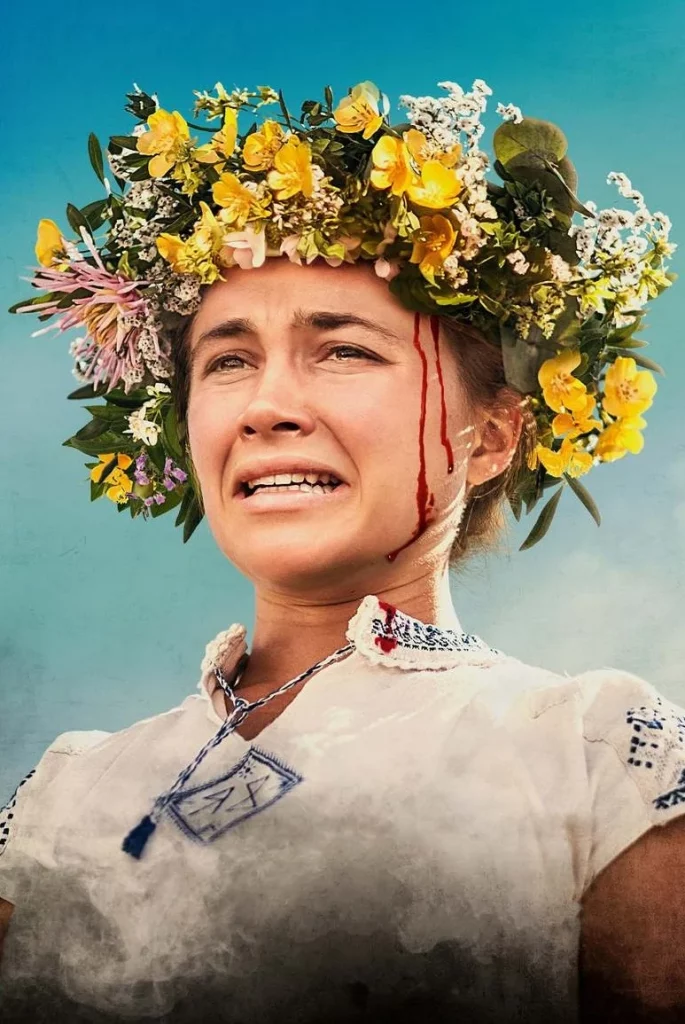
Dani is a Final Girl, in that she survives, but her survival is not clean. It is tinged with grief, manipulation, loss, loneliness, and the terrifying warmth of belonging. She does not merely escape the horrors of Midsommar. In many ways, the horror absorbs Dani. It gives her a place to file her pain away, a community that mirrors her screams, and a flower crown so heavy with the deaths of her friends that it becomes a crown of thorns.
Dani is important because she shows how far the trope can stretch.
She isn’t the last woman standing, not in the purest definition of the trope. She isn’t staggering away into the dawn, leaving the monster behind her. She may, depending on how you read the ending, be walking deeper into the monster’s arms. Her survival is real and tangible, but it is also disturbing. Has she been freed? Broken? Has she found a family, or has she been consumed by one?
Then we have Maxine Minx in X (2022), who takes the old purity test, laughs in its face, chews it up, and spits it out.
Maxine is essentially an anti-classic Final Girl. She is ambitious, unapologetic, flagrantly sexual, and gives absolutely zero fucks about anyone’s idea of what a “good girl” should be. In an older slasher, Maxine might have been the first victim, treated as disposable and punished by the plot for being human, wanting pleasure, and daring to imagine a life beyond the one she was handed.
But she survives X.
Moreover, the film lets her survival feel like an act of defiance against the rigid morality of the old machine. Maxine is not saved because she eschews desire. Maxine survives because she wants things. More specifically, she wants out. She wants to be seen. She wants a future bigger than the one she has been handed. This hunger is not what dooms her. It is what keeps her moving, and that is a major shift.
The original recipe Final Girl made it to the credits because she followed the rules. Her modern counterpart survives because she adapts, resists, refuses, learns, and fights dirty. She knows the genre, knows the game, and often turns out to be far more dangerous than the creep in the mask ever expected.
She isn’t just the good girl with dirt and blood under her nails left standing.
She is the traumatised girl. The angry girl. The clever girl. The messy girl. The girl who knows the rules and breaks them when it suits her. The girl who was never innocent in the first place and has no interest in pretending otherwise.
The Final Girl grew up.
And once she did, she became even harder to kill.
The Problem with the Final Girl
No trope gets to be around this long without a few skeletons in the closet.
The thing is, while she endures, while she is a furious, bloodied avatar of axe-wielding vengeance, the Final Girl is not without problems. In fact, part of what makes her so interesting is that she is empowering and troubling at the same time. Yes, she is a survivor, a witness, even a warrior. A woman who looks the monster in the eye and, by sheer bloody will, refuses to lie politely down and die in the final act.
She is, however, also the product of a genre that has not always been kind to women.
The classic version of the Final Girl is framed as different from the other women around her. She is almost puritanical in that she is less sexual, less vain, less reckless, less loud, and less obviously interested in earthly and carnal pleasures. While her soon-to-be-dead friends flirt, drink, smoke weed, sneak off upstairs to remove their tops, or in some other way commit the terrible crime of behaving like carefree twenty-somethings, the Final Girl watches, worries and waits.
Then the chainsaw starts revving.
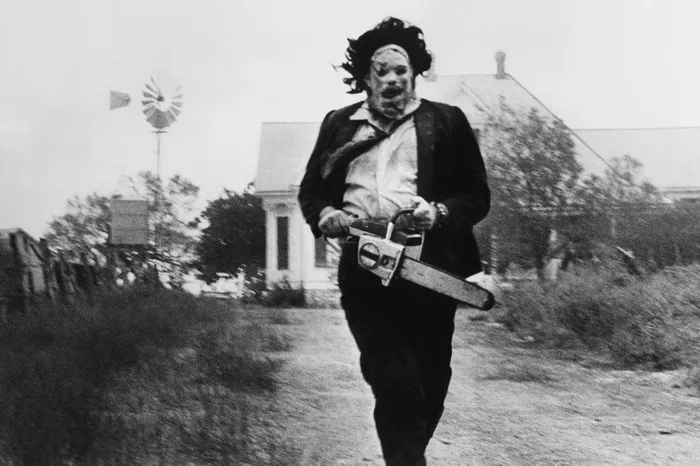
This is where the tropes that the Final Girl emerged from start to clank and beat away under the floorboards like a tell-tale heart. She survives, granted, but often only because the film has built a nasty little altar out of the bodies of the party girl, the mean girl, the obnoxious one who laughed too loudly, and anyone else who failed to notice the moral trapdoor at their feet.
The message, which is quite rancid once you wash the corn syrup off it, is that the “good” girl lives.
But she gets punished anyway.
Because if you tie something as fundamental as survival to something as mercurial as purity, the trope stops being about endurance and starts to have the whiff of moral judgement about it. Horror, especially those early slashers with all their ear-splitting screams and janky special effects, often pretended it was punishing stupidity. But its definition of stupidity often included sexuality, disobedience, curiosity, or simply a named female character taking five minutes to enjoy herself before ignominiously being turned into wall art.
The Final Girl often survives the killer by being “acceptable”.
That is the poison pill buried in the centre of the trope.
So, like a demented demon doctor, we turn to the small matter of suffering. The Final Girl wins. No one can take this away from her. But it comes at a high cost. She has been chased, wounded, terrorised, isolated and stripped of almost everything. All her friends are dead. Her sense of safety is blown away like funeral pyre smoke. Her old life has been hacked to pieces. By the time she crawls into the dawn, she has survived, but she has not escaped untouched. We get catharsis. She gets a lifetime of trauma, sirens, awkward questions from authority, and the knowledge that a sequel will probably be waiting around the corner.
This raises the question: why do so many stories require women to be brutalised before they are allowed to become powerful?
The Final Girl is often forged in torment. Horror is, after all, built around fear, survival, and transformation. But when the pattern repeats often enough, it starts to feel less like character development and more like a karmic toll booth. She must suffer before she can be strong. She has to bleed to be believed. Before she can fight back, she has to be chased through the dark in her socks for ninety minutes.
It is as compelling as it is exhausting.
Final Thoughts: Still Standing
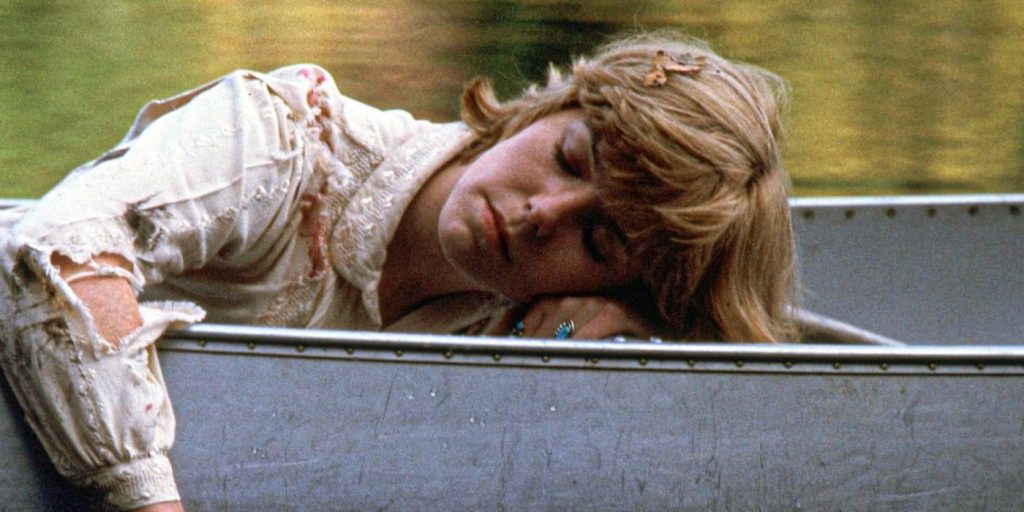
The Final Girl is a walking contradiction.
She is empowering and problematic. She is an overburdened icon. A survivor who has often had to sacrifice herself to the genre’s worst thirsts. She has been used as a purity test, a trauma sponge, a human scream machine, a walking moral lesson, and finally, a blood-soaked avatar of vengeance.
And yet, she keeps standing.
Perhaps that is why she endures. She is not frozen in place, trapped forever in blood-spattered jeans, waiting for the Shape to come blundering in. She has changed along with the genre. As horror has become stranger, angrier, messier and more complicated, so has she.
She started as the last one standing.
She evolved into the one who understood the monster.
She became the one who fought back and won.
Now, increasingly, she is the one who refuses to let the narrative dictate what survival is supposed to look like.
That doesn’t take away from the problems baked into the trope. The old morality machine is still there, rattling away under the floorboards. But today’s Final Girl has learned how to hear it. More than that, she knows how to jam a screwdriver into the mechanism and make the whole infernal machine scream.
She isn’t just horror’s last woman standing anymore.
She is a reminder that survival is not tidy, pretty or polite.
Sometimes survival is ugly.
Sometimes survival is furious.
Sometimes survival hobbles into the cold light of dawn, coated in blood, clutching a kitchen knife, and absolutely refusing to apologise for existing.
Peace, Love, corn syrup.