When the Monster Has a Point
By
Robin B. Devlin
“Ladies and gentlemen of the jury,” began the lawyer, adjusting his linen suit and fanning himself with a pile of documents in the sweltering courtroom. “The prosecution is going to try and paint my client as a ‘monster’, a ‘killing machine’, and a ‘soulless incarnation of vengeful death.’”
He paused to take a sip of water.
“Now, I might be just a simple, stereotypical county lawyer trope, but I believe my client deserves a fair trial.”
He nodded towards the dock.
The thing standing there remained resolutely indifferent to the armed guards, the hostile looks from the public gallery, and the nervous scraping of chairs from anyone sitting too close. Covered in soot, grave dirt, and gore, it looked out from what must legally be defined as a face with cold, polite loathing.
“My client,” the lawyer continued, “ain’t no choir boy. In fact, he scares the bejesus outta me. But just because he’s scary, that don’t mean he’s the only one who’s guilty. Now, we will hear a lot of brouhaha about ‘forensics’ and ‘stapling folks to walls with butcher’s knives’, but I ask you this: who profited? Who refused to listen? Who buried the evidence? And who created the conditions where this thing could exist in the first place?”
The jury leaned in as the lazy ceiling fan pushed warm air around the room with all the urgency of a pensioner browsing biscuits.
“I intend to prove,” said the lawyer, “that while my client may have claws, teeth, and an unfortunate habit of turning people into cautionary anecdotes, the guilt is not entirely his. In fact, throughout the narrative of this case, he was aided and abetted by humanity itself.”
He turned, pointed one dramatic finger at the gallery, and smiled.
“Because sometimes, ladies and gentlemen, the monster is not the disease. Sometimes, the monster is the symptom.”
Frankenstein’s Creature
“Maybe Don’t Play God and Then Run Away”
I will revenge my injuries; if I cannot inspire love, I will cause fear.
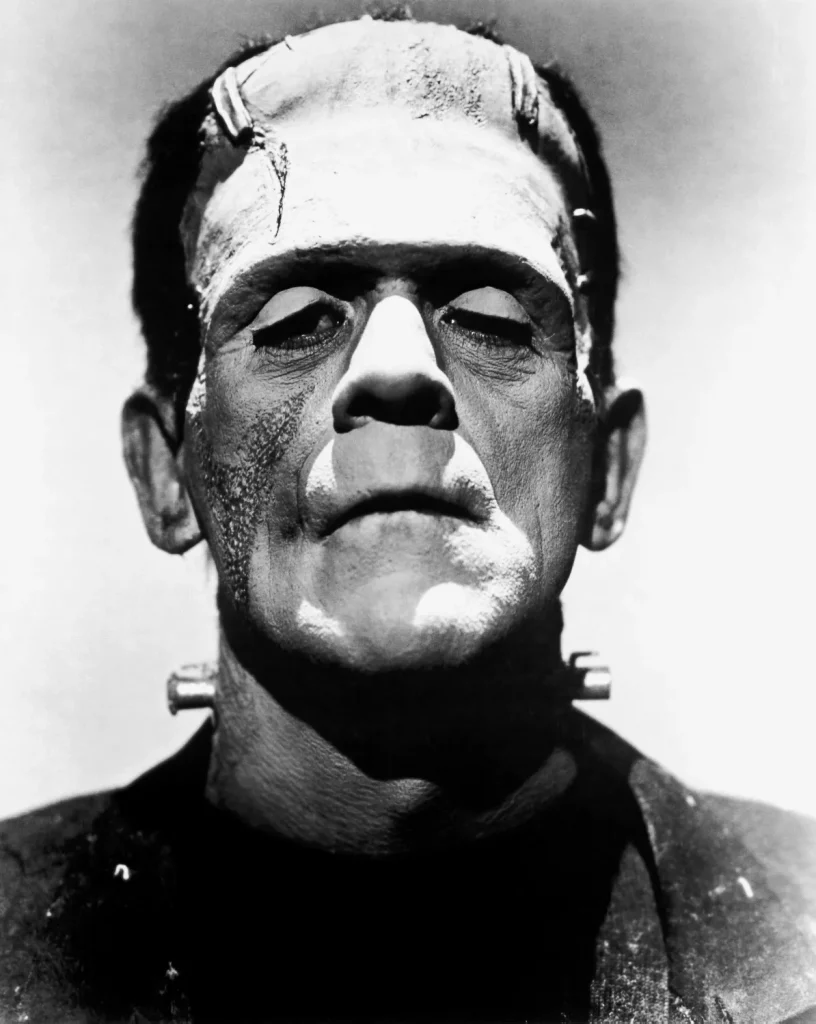
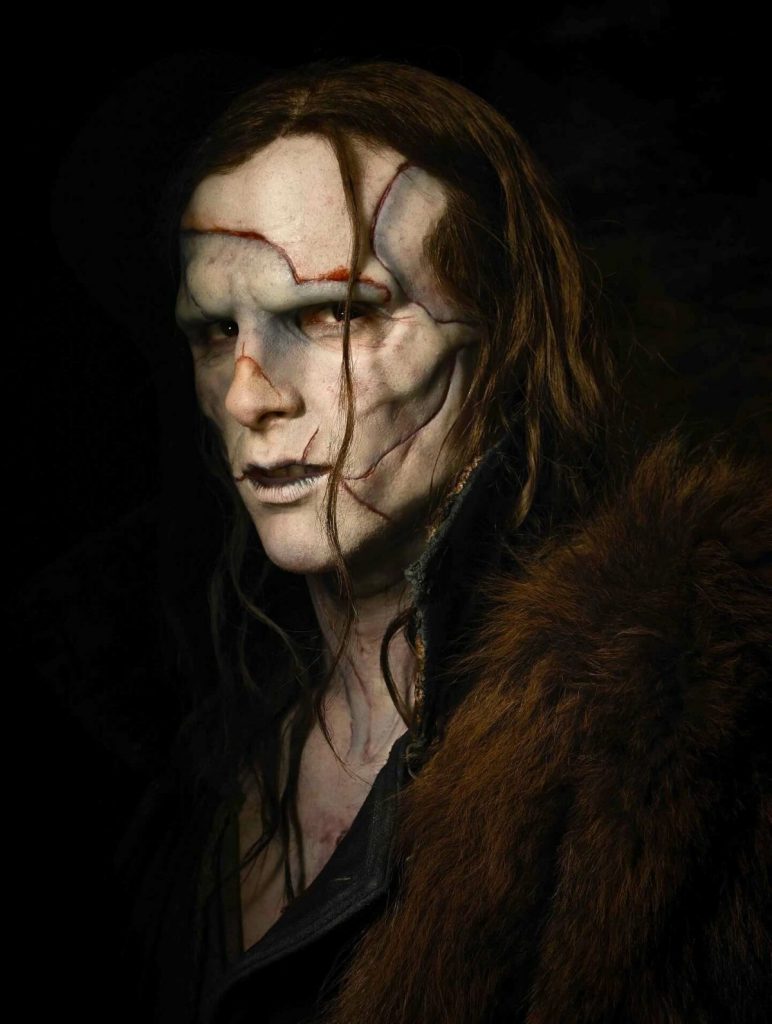
I have gone to great lengths elsewhere to point out my adoration for Mary Shelley, because frankly, she deserves it. At an age when most of us were still making tragic haircut decisions and confusing emotional instability for wisdom, Shelley helped give birth to science fiction, horror, and the entire “perhaps mankind should not poke that with a stick” school of storytelling.
In the great-grandfather of every modern “science has gone too far” story, Victor Frankenstein makes the mother of all craft projects out of the contents of the local funeral home, manages to create life, immediately has a panic attack when it opens its eyes, and then runs away. This is not a minor parental wobble. This is not “Dad forgot sports day.” This is the biggest deadbeat dad move in Gothic literature, which, as you can imagine, is up against some pretty stiff competition.
Victor hand-stitches a person together, hates him for existing, abandons him, and then spends the rest of the novel acting personally offended that this neglected, traumatised, eight-foot monument to hubris develops issues.
The important thing about the creature is that he is not created evil. He begins as something closer to a child: confused, lonely, frightened, desperate to understand the world and his place in it. He learns language. He learns tenderness. He watches people from the outside and longs to belong to them. For a while, he is less a monster than he is a rejected soul pressing his face against the window of humanity, hoping someone might open the door.
Then humanity teaches him the lesson it always seems so eager to teach anything strange, ugly, poor, foreign, unwanted, or inconvenient.
It teaches him fear.
It teaches him rejection.
It teaches him violence.
It teaches him that no amount of gentleness matters if the world has already decided what you are.
That does not make the Creature innocent. By the time he starts murdering people, including people who do not deserve his revenge, he has crossed a line that cannot simply be waved away with a sad violin and a sympathetic lighting choice. But it does mean his monstrosity does not appear from nowhere. It is cultivated. Fed. Reinforced. Every door slammed in his face adds another brick to the thing he becomes.
That is what makes him such a powerful horror figure. He is not terrifying because he proves that science went too far. He is terrifying because he proves that responsibility and humanity did not go far enough.
Victor does not create a monster when he stitches the Creature together.
He creates a monster when he refuses to love what he has made.
Godzilla
The Monster as Mushroom Cloud
“When mankind falls into conflict with nature, monsters are born.” — Dr Hayashida, The Return of Godzilla
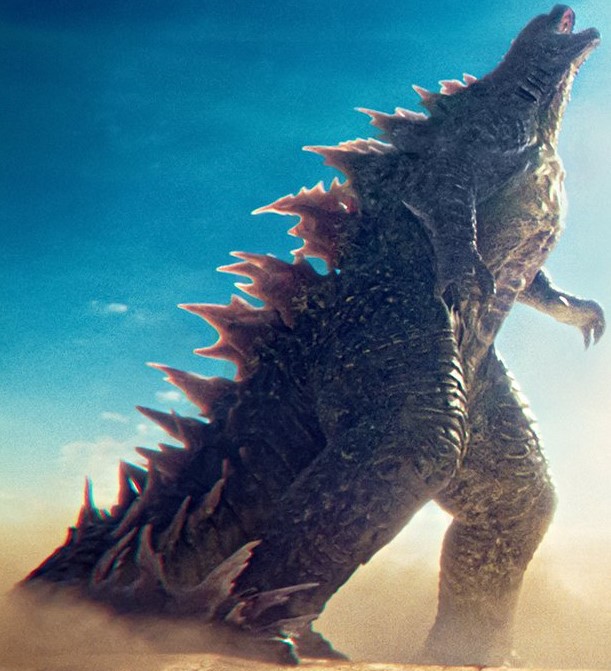
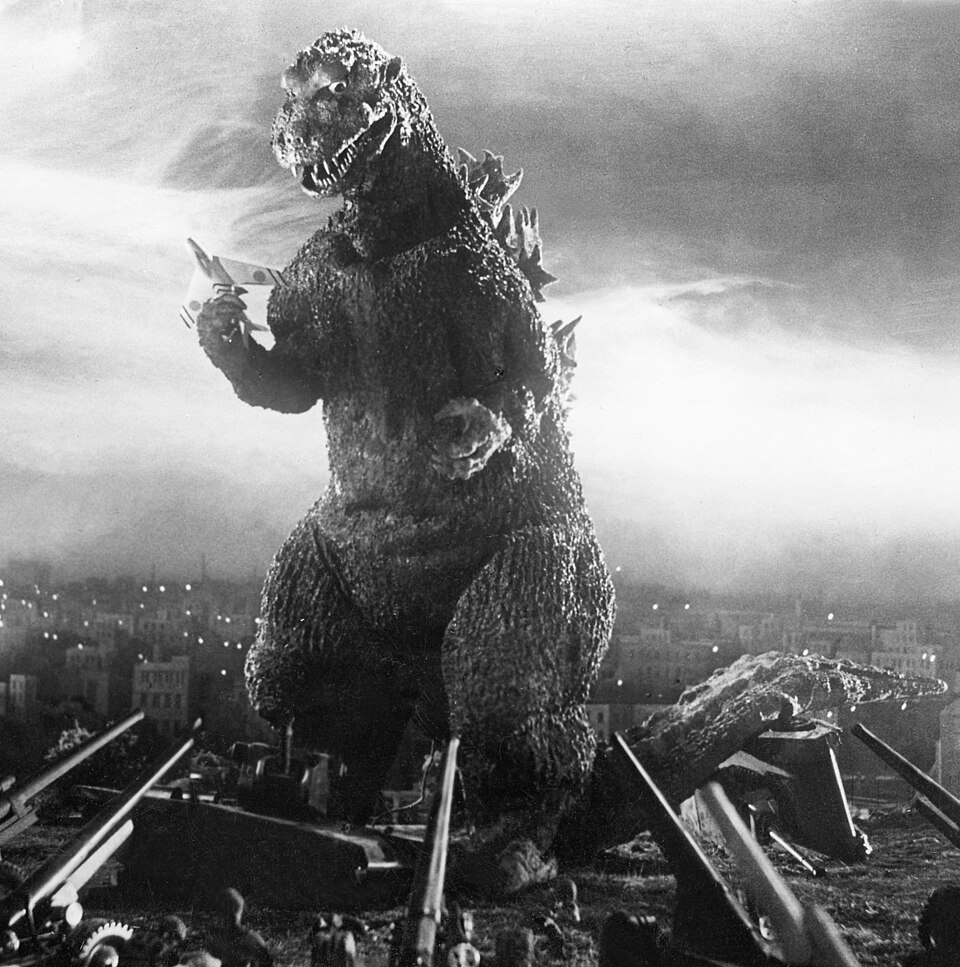
Godzilla, or Gojira if you’re going to get all purist on me, is one of horror cinema’s most enduring metaphors, born from the radioactive ash of the twentieth century. First appearing in Ishirō Honda’s 1954 film Godzilla, the big scaly sod has since become a pop-culture icon, stomping through Japanese and American films, comics, games, novels, TV shows, and, wonderfully, even being named a special resident and tourism ambassador for Shinjuku.
Because when you have a city-flattening atomic monster, the last thing you want is for him to be unemployed.
Essentially, Godzilla is usually shown as a gigantic prehistoric reptile or dinosaur-like sea beast, awakened from his ancient, Cthulhu-adjacent nap by nuclear testing. He tends to emerge from the ocean with all the subtlety of a cathedral falling down a staircase, then proceeds to express himself through roaring, stomping, and his signature atomic breath: radioactive halitosis weaponised into a skyline-removal tool.
Wonderful stuff. Very healthy. Nothing to worry about.
The important thing, though, is the symbolism. The original Godzilla was conceived in the shadow of Hiroshima, Nagasaki, and the Lucky Dragon 5 incident, and is widely understood as a metaphor for nuclear weapons and atomic trauma. Even the creature’s design leaned into this; Godzilla’s rough skin has often been linked to the keloid scars suffered by survivors of the atomic bombings.
So, in his earliest and purest form, Godzilla is not merely a “tower-block-sized monster attacking Japan.” He is the mushroom cloud given legs. He is human violence returning from the sea. He is the thing we woke up, poisoned, mutated, and then had the sheer brass neck to call unnatural.
That is what makes him perfect for this particular defence.
Godzilla does not need to be morally superior. He does not need a manifesto, a tragic monologue, or a little pair of reading glasses balanced on the end of his snout. His point is that he exists.
Humanity split the atom. Humanity poisoned the world. Humanity unleashed forces it could not control, then acted surprised when something massive, radioactive, and furious came stomping back towards the skyline.
Over time, Godzilla has changed. Sometimes he is a villainous force of destruction. Sometimes he becomes an antihero. Sometimes he even defends humanity from worse monsters, because apparently the only thing scarier than Godzilla is Godzilla deciding he is your problem now. His motives, morality, and intelligence shift depending on the version, but the original idea remains radioactive at the core.
Godzilla has a point because he is not evil in the normal sense.
He is consequence.
He is not nature attacking humanity.
He is humanity’s violence returning with footsteps.
Candyman
The Monster Made of Violence, Memory, and Neglect
“What’s blood for, if not for shedding?”
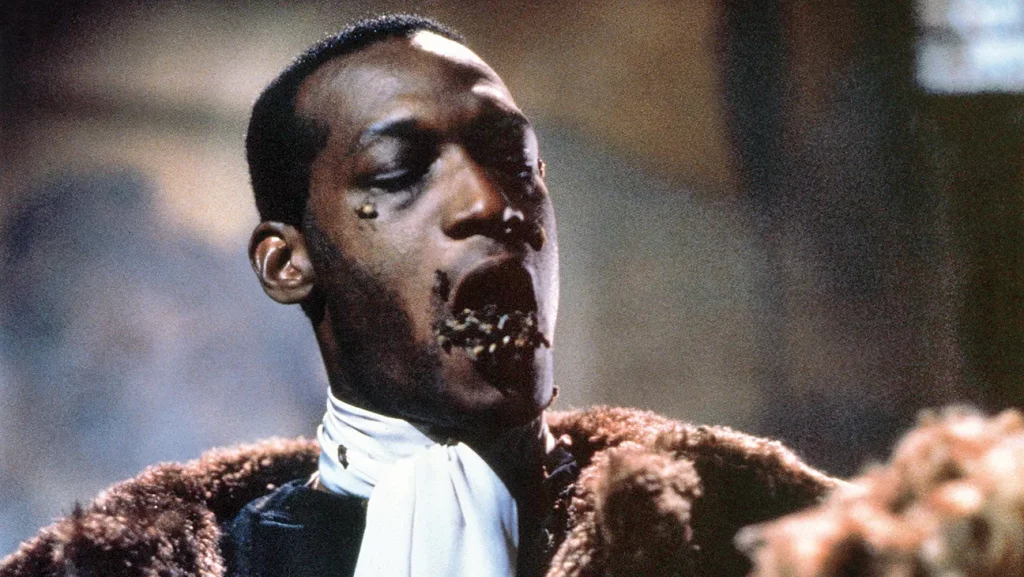
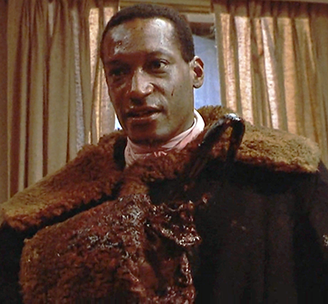
Candyman is absolutely a killer. A monstrous aberration who deals swift and bloody retribution to anyone foolish enough not to keep his goddamn name out of their filthy mouths.
But he is also a wound in a nation’s psyche that learned to speak.
He is, in no possible interpretation of the legend, secretly the hero. Let us not get syrup in our eyes here. Candyman murders people, manipulates people, frames people, and generally behaves in a manner unlikely to earn him a community service award. The point of the Candyman mythos is not that he is justified in killing people. The real point is much deeper and nastier than that.
He exists because the horror was already there.
Before the hook, there was lynching.
Before the bees, there was racism.
Before the urban legend, there was social neglect.
Before Helen arrives with her tape recorder, Cabrini-Green has already been turned into a story by outsiders.
1992’s Candyman, directed by Bernard Rose and starring Tony Todd and Virginia Madsen, is based on Clive Barker’s 1985 short story The Forbidden. The film expands the mythology by giving us Daniel Robitaille, a Black artist murdered by a racist mob after an interracial relationship. His hand is cut off. A hook is put in its place. His body is smeared with honey, and bees are set upon him.
It is a death designed not just to kill, but to humiliate, display, and transform a person into a warning.
Which is, unfortunately for everyone involved, exactly what happens.
Daniel dies, but Candyman survives.
That distinction matters. Daniel Robitaille is the victim. Candyman is what grows from the wound afterwards. He is the ghost of racist violence, but also the mutation of that violence into folklore. Say his name five times in a mirror and he appears. Tell the story often enough and the story starts telling itself back. Deny him, mock him, study him, exploit him, and he comes looking for you with a hook and a voice like velvet being dragged over a grave.
Helen Lyle, a graduate student researching urban legends, treats Candyman as folklore. A myth. Something to record, analyse, decode, and pin down like an insect under glass.
But, as these things have a habit of doing, the legend turns around and notices her.
She enters Cabrini-Green as an outsider, sifting through the fear and trauma of other people as an academic exercise. The film is very interested in who gets to tell stories, who gets believed, who becomes a legend, and who gets turned into a not-so-subtle warning.
That is where Candyman’s point becomes uncomfortable.
He was created by terrible, brutal racist violence, but he also perpetuates the violence that created him. He was made into a spectacle, and now his existence relies on making a spectacle of others. His power depends on being remembered, feared, summoned, and repeated.
The legend feeds on attention, but forgetting him is also a kind of violence.
The 2021 sequel makes this legacy angle even more explicit, broadening Candyman from one ghost into something closer to a hive of Black victims of racist violence. Candyman becomes not only Daniel Robitaille, but a pattern. A name passed down through suffering. A story with too many bodies behind it.
Candyman is not only about a monster demanding belief. It is about who gets to turn pain into material. Who gets to study it. Who gets to profit from it. Who gets to walk away from it.
And who cannot.
So, does Candyman have a point?
Horribly, yes.
Not when he kills. Not when he spreads fear. Not when he turns suffering into a recruitment drive for his own legend. But he has a point because his existence is an accusation.
Candyman is not just haunting Cabrini-Green.
He is what happens when suffering is buried, dismissed, mythologised, and left to fester until the story grows hooks and a nasty sting in the tail.
The Xenomorph
The Monster Is Bad, But Have You Met the Company?
Priority one. Ensure return of organism for analysis. All other considerations secondary. Crew expendable.
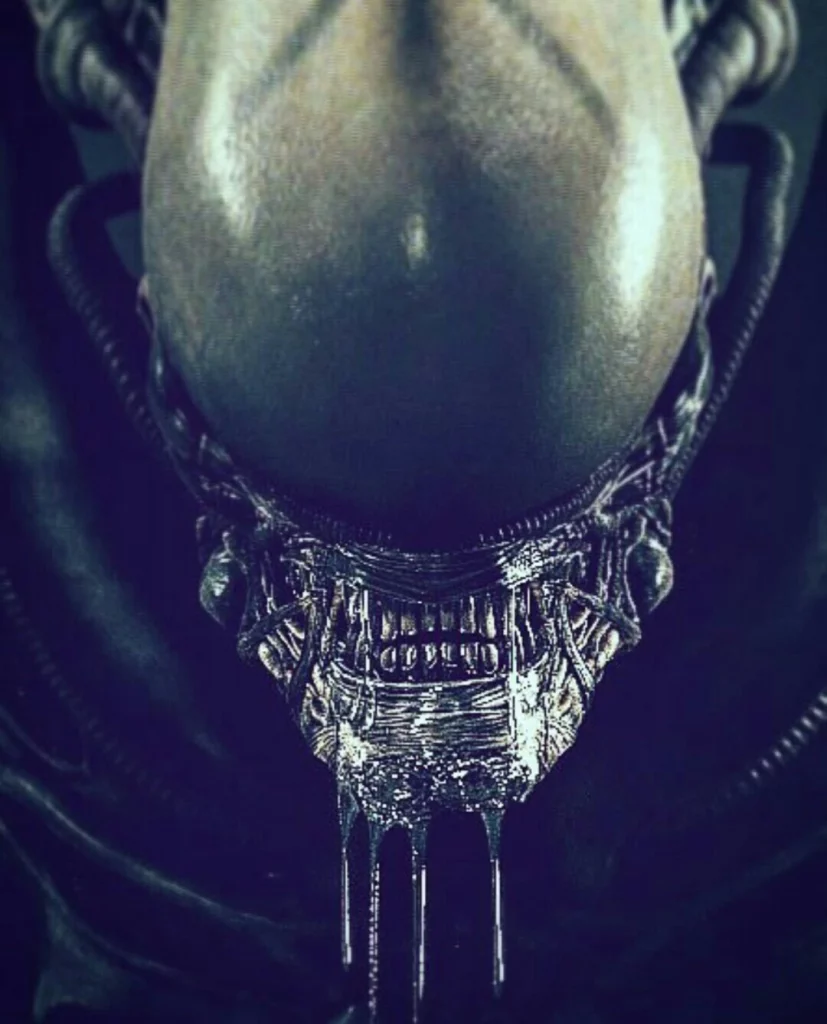
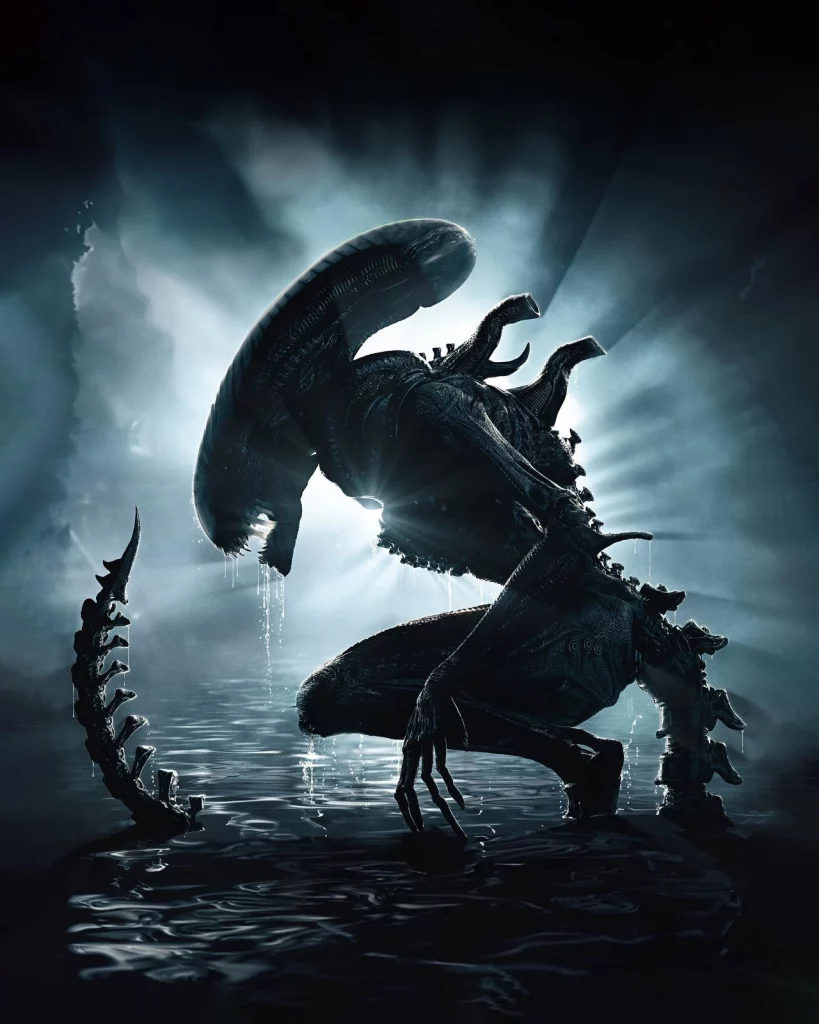
Let us get this out of the way before anything else: the Xenomorph is not misunderstood.
What it is, is a biomechanical violation-murder engine. Teeth, claws, acid blood, reproductive horror, and the general sense that the universe has spat out something specifically designed to make humans feel less superior about opposable thumbs.
It survives. It adapts. It hides. It hunts. It turns the human body into an incubator without so much as buying us a drink first. If Frankenstein’s Creature is a rejected child, and Godzilla is an atomic nightmare of a mushroom cloud with legs, then the Xenomorph is biology itself fine-tuned to maximum lethality.
But does it have a valid point? No.
A longer answer? Fuck no!
The more eloquent answer is that it does not have a point in the moral sense. We are not about to see the Xenomorph with emo bangs, writing sad poetry about air vents. It does not have a manifesto, outside of hunt, impregnate, kill, wash, rinse, repeat. It is not ripping out spines to expose social hypocrisy or avenge historic wrongs. The Xenomorph’s point is much colder and more brutal than that.
It exists; therefore, it kills.
It is a perfect parasite, predator, and living bio-weapon, whether it was designed that way by a race facepalmingly stupid enough to hear “unstoppable acid-blooded murder machine” and think “what a lovely investment,” or whether another bunch of shmucks found it and decided to bring it home like the world’s worst petting zoo.
And that is where Alien becomes beautifully, horribly precise.
The Xenomorph might be the one forcibly impregnating the crew and turning their bodies into home decor, but Weyland-Yutani are the ones who laid out the welcome mat.
In Alien, the crew of the Nostromo are essentially long-haul space truckers. They are underpaid, underappreciated, and overtired. They are dragged out of hypersleep not for some noble side quest or brave act of exploration full of derring-do and beautiful blue women saying, “Show me more of this Earth thing you call kissing.” The nightmare begins because the company computer says so.
Ripley goes digital spelunking and finds the true shape of the horror hidden away under Special Order 937: the organism is to be returned for analysis. All other considerations are secondary. Crew expendable.
There it is, glowing on a crappy CRT screen, light-years from home: the absolute horror of end-stage corporate capitalism written in the cold, unemotional language of procedure.
Not a word about “we regret the danger.”
Not a whisper of “every effort should be made to protect the crew.”
Not even “Try not to die! 😊”
Just:
Crew expendable.
The alien kills because that is what nature, or its creator, made it for.
The Company kills because it will look good on the end-of-year reports.
That is the true and relatable horror of Alien. Most of us, with luck, will never be chased through an air vent by a murderous, armoured, flightless wasp with acid for blood. But a company quietly, politely, and coldly deciding that a margin of human lives is an acceptable loss in pursuit of the almighty dollar?
That lands with a horrifyingly familiar thud.
Then we have Carter Burke, a man who would mud-wrestle his own grandmother for a corner office. Burke looks at the Xenomorph and, somewhere under a ton of hair gel, his little corporate mind does not see warning, threat, or even miracle. He sees a product. A route to the bio-weapons division. Massive returns on a bloody investment.
That is why, although the Xenomorph belongs in the dock, it does not belong there alone.
It is, by every conceivable measure, a monster in the dark. It will liquefy you as soon as look at you.
But it did not issue Special Order 937.
It did not break quarantine and endanger lives for profit.
It did not send families and children to LV-426 without a word of warning.
It did not look at a life form that exists solely to violate, consume, reproduce, and kill, then ask the shareholders how many they would like.
The Xenomorph may be the monster in the vents, but the company opened the airlock and called it a growth opportunity.
So no, the alien is not right.
But the franchise is.
The monster with teeth is terrifying.
The monster with a contract is worse.
Sadako/Samara
The Monster as Unprocessed Trauma
Everyone brings something to the tape. I don’t make them, I see them. And then… they just… are.
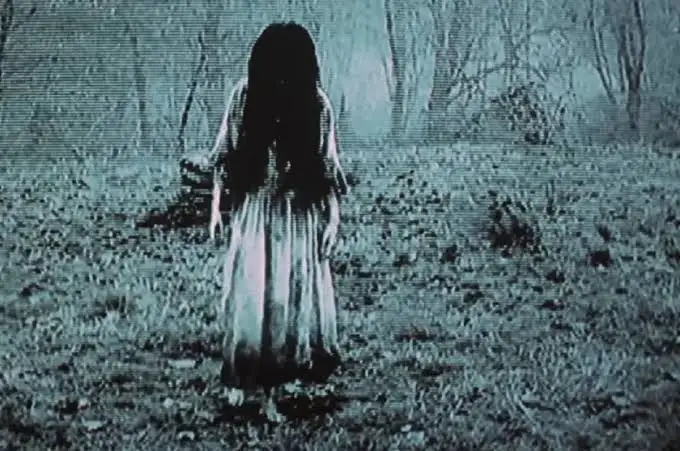
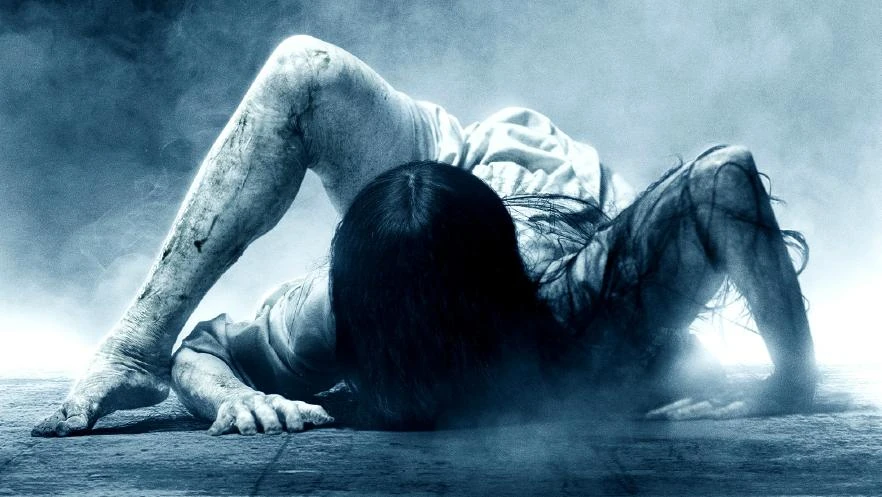
In both The Ring (2002) and the original Ringu (1998), the cursed VHS tape is not just a spooky object, or a relic of the analogue past come to haunt us in the post-millennial epoch. The tape is a delivery system: an injury in reality that has learned to use technology, and now, with help, it can reproduce.
In horror, trauma often refuses to stay buried. The curse in the tape is monstrous because it makes witnesses into carriers.
When a person watches the tape, they do not simply become a victim of it. They become part of the mechanism itself. To survive the curse, they have to make a duplicate of the tape and pass it on to someone else. The curse turns an act of self-preservation into one of complicity.
Ringu: Sadako’s Version
Reiko, the protagonist of Ringu, investigates a cursed videotape after her niece dies in mysterious circumstances, which is coroner-speak for “death by ghost.” The tape kills viewers seven days after they watch it, unless they copy it and show it to someone else. The curse is traced back to Sadako Yamamura, a psychic girl murdered and left in a well to die. Before she shuffles off the mortal coil, she projects her rage into the world.
Simply finding Sadako’s remains does not end the curse. Only by copying the tape does Reiko ensure her survival.
The point here is pretty clear: you don’t get to rip off the bandage, expose the wound, tidy it away like nothing ever happened, and call that healing. Reiko believes that solving the mystery and finding the corpse will break the cycle.
It does not.
The trauma does not want closure.
It demands continuation.
The Ring: Samara’s Version
In the 2002 American remake, Rachel investigates after the mysterious death of her niece and finds that a group of dead teenagers are linked to a cursed tape. The curse leads back to Samara Morgan, an adopted child with psychic abilities who can project disturbing images into minds and objects. After her adoptive mother, Anna, loses her mind and throws her into a well, Samara survives for seven days before dying of starvation and exposure.
Rachel discovers Samara’s body and gives her a proper burial.
It does not end well.
Aidan warns that helping Samara was a mistake. Rachel realises she survived only because she copied the tape and passed it to Noah. Noah did not pass the curse on, so he gets to die horribly.
In this version of the story, we are tempted by a classic ghost-story structure: follow the haunting, find the dead child, uncover the injustice, and give her peace.
But peace is the last thing Samara wants.
She wants to keep her pain, her signal, going.
The pain of both girls does not evaporate because it is hidden. Sometimes pain mutates and learns to adapt, even if it is to the shape of whatever Janky analogue technology is on hand. Whereas Candyman is a folktale that has become infected by a supernatural curse, The Ring takes it a step further, and has Sadako/Samara pass the curse around from person to person by physical media itself.
Jaws
The shark isn’t evil; it’s at work.
You open the beaches on the 4th of July, it’s like ringing the dinner bell.
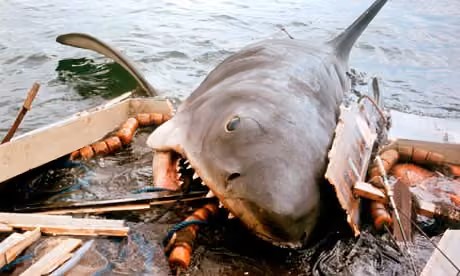
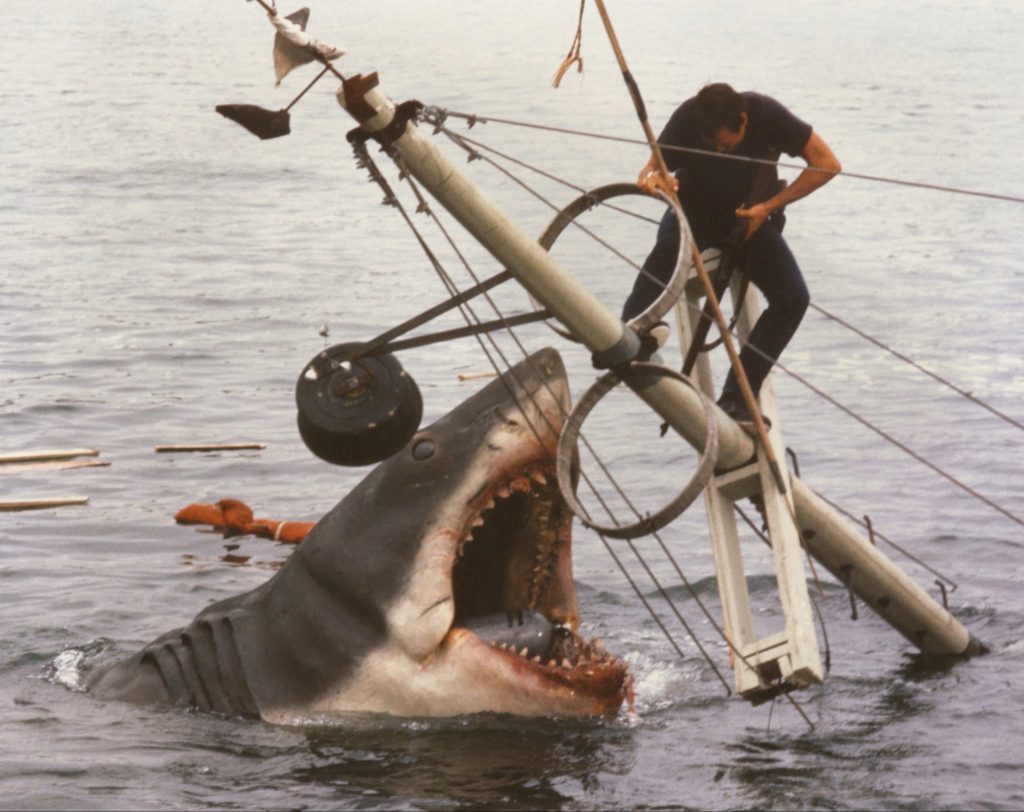
I’m going to go out on a limb here and point out what seems to me to be a fundamental fact of Spielberg’s 1975 classic Jaws, one that some people miss on a casual viewing:
The shark isn’t evil.
It’s just a shark, doing its sharky business.
Call it dangerous pro-shark propaganda if you like, but I would also take great pains to point out that I’m very much in the radical position of not wanting people, most people, to be eaten alive. The facts are these: the shark is not cackling in an underwater lair, stroking a goatee presumably made of kelp. Short of swim/eat/repeat, it does not have a manifesto. It doesn’t give press conferences, nor does it fudge a few eviscerated swimmers into being “boating accidents” to protect hotel bookings.
It’s a shark.
A large shark, yes. One with an extremely robust work ethic? Certainly. One with an unacceptable take on beach safety? Absolutely. But still, fundamentally, a shark.
The real moral black hole in Jaws does not have fins, gills, or entirely too many teeth. It has a tacky blazer and a shit-eating grin.
After the first person gets turned into the shark equivalent of finger food, Chief Brody wants to lock down the beaches of Amity Island. This is a fair response when one of the ocean’s deadliest predators has decided your little seaside town is where the party is at. However, Amity Island depends upon tourism, and with the Fourth of July weekend approaching, Mayor Larry Vaughn decides to go against sage counsel and keep the beaches open for business.
If anything, Jaws is less about a killer shark than it is about dumb human beings exacerbating a bad situation with bureaucracy, industrial-strength denial, and an almost heroic commitment to not learning anything.
The shark kills because it has a limited skill set, and killing just so happens to be the thing it excels at.
The mayor endangers people because scared tourists are bad for the bottom line.
That is why the shark has at least some defence. It is not malicious, not in the way people are. It does not lie or suppress evidence. It does not pressure the medical examiner. It does not stand on the shore wearing a loud jacket and grinning from ear to ear while silently praying that Poseidon doesn’t send anything dangerous his way until the tills are full.
The shark is doing what nature intended.
The mayor is doing what capitalism permits when nobody has the decency to hit it with a rolled-up newspaper.
I’m not saying the shark is innocent. It’s still a swimming bear trap with gills and a kick-ass theme tune. But unlike the clowns in charge, it is not pretending the danger is not real. It is the danger, and there is a grim, admirable honesty in that.
By the time the crew of the Orca head out to fulfil the mother of all sushi orders, the movie has made its point: nature will absolutely murder you in the blink of an eye. The sea is vast, indifferent, and chock-full of things with more teeth than manners.
So, does the shark have a point?
Yes, in the bluntest possible sense.
The water was never safe.
The people responsible for saying so simply found that fact inconvenient.
Zombies/Infected
The Crowd We Created
When there’s no more room in Hell, the dead will walk the Earth.
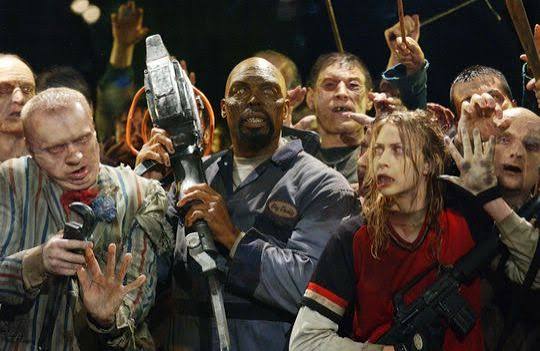
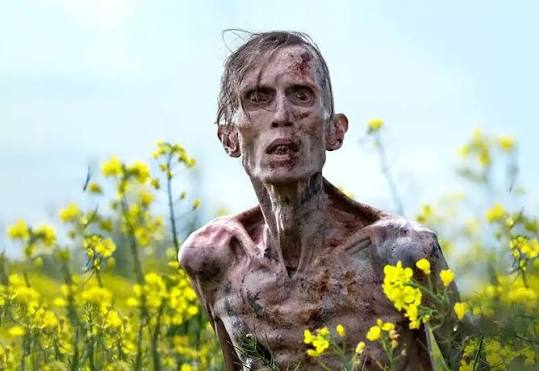
So, zombies, then.
They are not eloquent. They don’t have a tragic speech prepared. They don’t stand in the dock with a haunted expression, trying desperately to explain that, when viewed in the wider social context, biting that man’s nose off was a perfectly reasonable response to systemic failure.
They don’t do any of that.
They groan.
They shuffle.
They have a light snack.
Sometimes they run, which I remain opposed to with all my geeky being. The thing is, though, that the zombie’s point is not individual. It is collective. For the purposes of this article, a single zombie is a monster.
A horde is a diagnosis.
That is one of the reasons zombies are so endlessly reusable, appearing in everything from contemporary video games, movies, and comic books to reinterpretations of classic literature. They can stand in for consumerism, plague, social collapse, war, class anxiety, hunger, conformity, mob violence, or the horrible feeling that civilisation is mostly cling film stretched over a yawning, infinite pit into Lucifer’s backyard.
Sure, they are dead. But more important than that, they are people stripped of the polite fiction that we are anything more than sophisticated, bipedal animals one missed meal away from frenzy.
In this instance, a zombie isn’t just a corpse.
It is society when the lights go out.
When it came to zombies, no one understood the genre better than George A. Romero. In Dawn of the Dead (1978), the zombies return to the shopping mall, not because they have a vested interest in supporting local businesses, but because some habits die hard. They stumble past shopfronts and escalators like customers who have forgotten their wallets, their names, and half their faces.
It’s funny, until it isn’t.
Think about that for a moment: even after death, they drift back and congregate around the place that taught them what wanting looked like.
That is where zombies earn a place in our particular courtroom. They are not innocent, not in the way a baby lamb is innocent. If a zombie comes lurching at me with designs on my brain, it is going to find a very strongly worded letter of complaint delivered via cricket bat to cranium.
But the zombies themselves are seldom the architects of the apocalypse.
They are the symptom.
The result.
The crowd that gathers after everything else falls apart.
The undead do not destroy us so much as reveal how much of what we have is held together with duct tape, politeness, and the supermarket supply chain.
Then we have the so-called “rage zombies,” as encapsulated in 28 Days Later, which strips away the shambling, decomposing consumer and gives us the infected: not dead, not slow, not milling around the local mall with some vague nostalgic purpose, but living bodies transformed into creatures of pure aggression.
Rage becomes viral.
Anger becomes infrastructure.
One bite, one drop of fluid, one horrible second, and civilisation goes from “busy morning commute in London” to “abandoned city full of screaming murder-sprinters.”
Subtle as a brick to the face, but you can’t deny it’s effective.
The infected in 28 Days Later are not hungry as such, not in the traditional zombie sense. They are anger on very fast legs. The horror here isn’t that the dead have risen, but that something already inside humanity, potentially inside every one of us, has been amplified until it drowns out everything else.
That is the zombie/infected argument in its purest form.
It is not the monster as outsider.
It is the monster inside us once one crucial restraint has been removed.
So, do zombies have a point?
Not individually, no. One at a time, most of them have the narrative clout of a damp sack of washing with poor dentistry.
But collectively?
Yes.
They have a point because the horde itself is the mirror. Zombies show us hunger without manners, desire without language, anger without conscience, and society without the reassuring hum of electricity in the walls.
The zombie does not have to make humanity monstrous.
It simply catches humanity with the mask off.
Final Thoughts
Guilty, But Not Alone
The defence rests, the jury looks shaken, the judge has developed a thousand-yard stare, and somewhere in the back of the courtroom, something with too many teeth is quietly eating the stenographer.
Are the monsters innocent?
No.
Of course not!
Frankenstein’s Creature murders people. Godzilla flattens cities. Candyman spills blood. The Xenomorph turns human beings into nesting material. Sadako and Samara make survival contagious. The shark eats swimmers. Zombies treat civilisation like an endless buffet with poor lighting.
These are not misunderstood lost souls with bad PR.
But horror is rarely at its best when the monster is merely “bad thing that does bad things.” The best monsters do something more interesting. They point backwards. They make us ask what came before the claw, the hook, the bite, the curse, the roar, or the hand bursting through the grave dirt.
Who built the laboratory?
Who dropped the bomb?
Who ignored the suffering?
Who buried the body?
Who kept the beaches open?
Who signed the order?
Who mistook profit for wisdom, power for control, fear for civilisation, and denial for safety?
That is where horror earns its keep. It gives us monsters, yes, but it also gives us evidence. The creature in the dark is often only the most visible part of the problem. Behind it there is usually a creator, a company, a government, a community, a history, a marketplace, or a society that created the conditions for the horror to take root.
The monster is guilty.
But the monster is not alone in the dock.
That, I think, is why these stories endure. Not because they let the monster off the hook, but because they refuse to let humanity sneak out the back door while everyone is staring at the fangs.
Sometimes the monster is evil.
Sometimes the monster is tragic.
Sometimes the monster is just a shark with a busy weekend.
But sometimes, horror’s nastiest little trick is making us realise that the thing we fear most did not arrive from nowhere.
We made room for it.
We fed it.
We ignored it.
We gave it a name.
And then, when it finally came shambling, roaring, crawling, swimming, or climbing out of the television, we had the bare-faced cheek to act surprised.
The verdict, then?
Guilty.
But with an awful lot of accomplices.
Peace, love, corn syrup.