10 Horror Movies That Get Scarier the More You Think About Them
By
Robin B Devlin
Some horror movies scare us by disassembling the cast in increasingly elaborate Rube Goldberg machines of death and destruction, while others lock a national treasure in a glass box and let it infect our nightmares. A third subset feeds on our paranoia, having us scan every frame, hammering pause on the DVD player, and search the shadows for glimpses of the bogeyman.
Then there are those films that seem scary enough while we are watching them. The jump scares make us jolt, the gore gives us the ick, and maybe we even check the wardrobe before bed. A day passes. Maybe a week. Then, out of nowhere, the thought arrives like a brick through a greenhouse window: ‘If the kaiju-sized monster in Cloverfield was only a baby… how big was its mother? And how pissed off will she be when she finds out…. Oh crap’
Here are 10 horror movies that get worse the more you let them cook.
Beware. Spoilers lurk ahead like smiling strangers at a dinner party.
The Skeleton Key (2005)
You just can’t get good help these days…
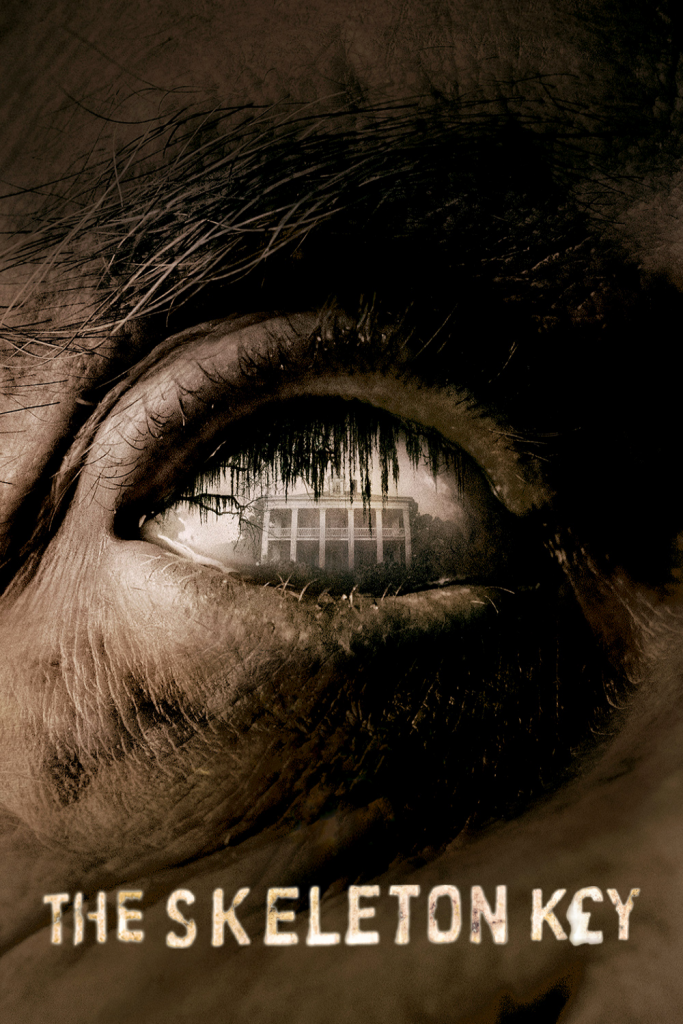
Hospice care nurse Caroline takes a cushy private job working for an elderly couple, Violet and the paralysed Ben, in a secluded Louisiana plantation house. Pretty soon after arriving, she discovers a hidden attic room stuffed full of items used in hoodoo rituals. The room once belonged to two servants, Mama Cecile and Papa Justify, who were lynched decades earlier for practising hoodoo.
As shit starts to get freaky, and Caroline comes to think that Violet is using hoodoo magic to hurt Ben. Caroline uses local hoodoo lore to protect herself and Ben, but she discovers that Violet and Luke (The family lawyer) are, in fact, the supposedly dead servants inhabiting stolen bodies.
Ultimately, Caroline is tricked into believing in hoodoo just enough for it to actually work on her. Her soul is transferred into Violet’s dying body, while Mama Cecile takes over Caroline’s younger body, meaning she and Papa Justify will continue the cycle of stealing lives.
The film was never reviewed spectacularly well, mostly thanks to a by-the-numbers script; it only scored 38% on the Tomatometer.
However…
Consider that after the twist, almost everything Luke and Violet say to Caroline serves as foreshadowing in hindsight.
Then there is what happened to the Thorpe children. Mama Cecile and Papa Justify did not simply murder them. They trapped the children inside their own soon-to-be lynched bodies. Unable to speak, move, or escape, the children were beaten, hanged, and burned alive by their own parents while their stolen bodies watched on.
The children’s parents later died in a supposed murder-suicide, but after everything else we learn, it is hard not to wonder whether Mama Cecile and Papa Justify simply tidied up loose ends.
Then there is the final, skin-crawling implication: these body-snatchers are a married couple. Once they steal your body, they do not just take your life. They take your future, your relationships, your identity, and everything that comes with it. Remember, dear reader, they once stole the bodies of a brother and sister.
Soft & Quiet (2022)
Banality of Evil: The Movie
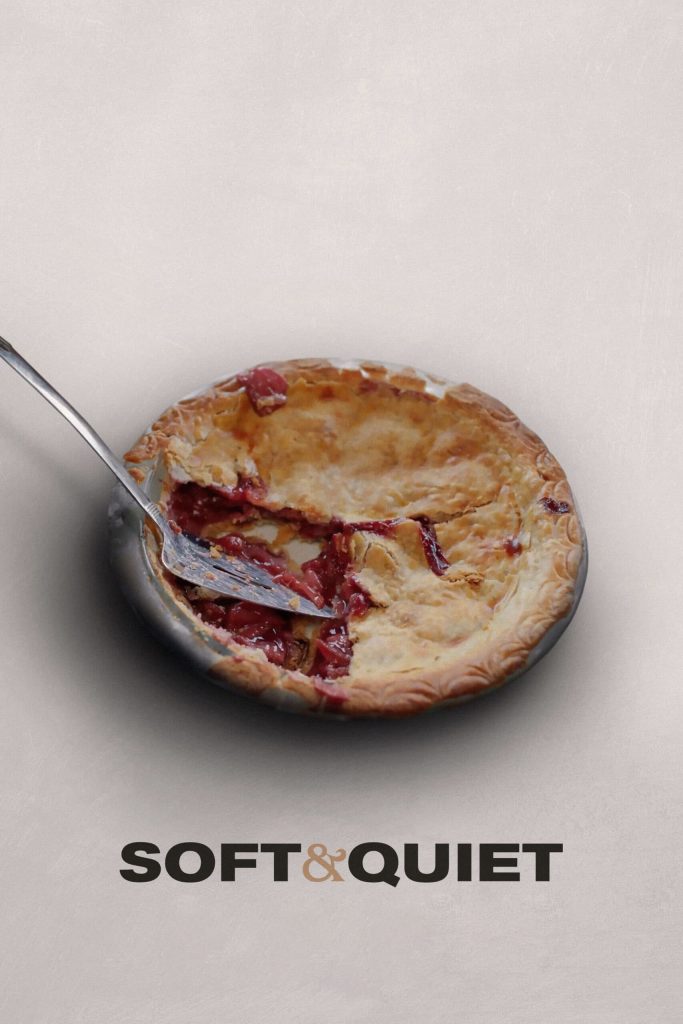
Filmed over four evenings and using ingenious long takes to create the illusion of a single unbroken shot, Soft & Quiet feels suffocating from the very beginning. The film was inspired by a real-life incident in which a White woman called the police on a Black birdwatcher, falsely claiming he had threatened her life simply because he politely asked her to put her dog on a leash.
Following kindergarten teacher Emily, who is a closeted Nazi and runs a women’s group called Daughters for Aryan Unity, which is every bit as white supremacist as it sounds. After the inaugural meeting is disrupted, Emily (the Karen in chief, if you will) invites several members of her little potluck of hate group back to her house, stopping by a shop owned by one of the women.
They clash with two Asian American sisters (Anne and Lily), who Emily’s incarcerated brother previously sexually assaulted. Angry, humiliated and driven by pure hate, the group vandalises Anne’s home. When Anne and Lily unexpectedly return, the women panic, tie the sisters up, and pretty soon, we have a full-on home invasion going on.
Lily is force-fed food that she is allergic to and dies being denied a life-saving shot, and Anne is sexually assaulted with a carrot and apparently murdered and dumped in a lake. The film ends with the reveal that Anne is still alive.
However…
Anne has been dumped into a freezing lake after enduring an unimaginable ordeal, and there is every chance she could drown before making it back to shore. Which means the group could still get away with two murders scot-free… and that is after one meeting. Imagine what they could do after a year.
Not only that, but all of the women in the hate group are, apart from the bubbling cauldron of bile where their hearts should be, crushingly ordinary. They are not movie monsters or cartoon villains. They are the sort of people you could sit next to on the bus, stand behind in the store, or pass in the street without ever thinking twice.
The Babadook (2014)
The scariest thing to come out of Australia since the Sydney funnel-web spider
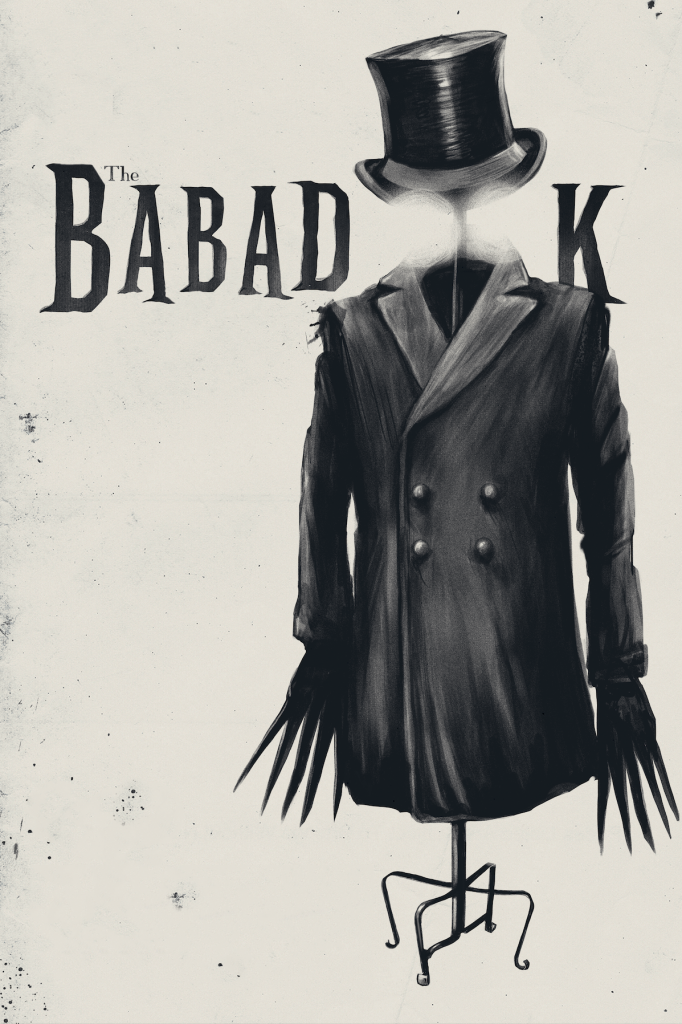
An amazing sleeper hit that was initially rejected in its native Australia, and, due to a misfiling upon hitting streaming, spawned the most unlikely gay icon of the century. The Babadook did absolute gangbusters at the world box office and made $10.7 million on a $2 million budget. Despite this runaway success, the writer/director Jennifer Kent kept hold of the rights and reacted to the possibility of a sequel the way Dracula reacts to crosses.
In The Babadook, we see Amelia, a widow past the end of her rope, raising a troubled young son, Samuel, after her husband, Oskar, was killed in a horrific car crash on the day Samuel was born. Samuel becomes obsessed with a sinister pop-up book called Mister Babadook. A book that mysteriously appears on his bookshelf one day and tells the story of a top-hatted creature that torments anyone who becomes aware of it.
As strange events start to manifest around the house, paranoia and isolation make Amelia more erratic and violent. Amelia comes to believe that the Babadook is real, but it becomes crystal clear that the creature may be a tulpa; a manifestation of her deeply buried grief, exhaustion and hidden resentment toward her son.
Amelia eventually becomes possessed by the Babadook and attempts to kill Samuel, but he manages to bring her back to her senses. In the end, Amelia finds out the Babadook cannot be destroyed, only contained. The monster remains living in the basement, where Amelia feeds it and calms it while she and Samuel move on with their lives.
However…
In the end, Amelia defeats her own Babadook; no one else was ever in danger because the Babadook isn’t a real, corporeal killing machine with a mask and a fuck load of kitchenware. Nobody else can truly see or experience it because the burden is hers, not theirs.
Which means everyone with painful memories, unresolved trauma, or old wounds they have never really dealt with is feeding their own Babadook. That kind of pain cannot just be washed away. Ignore it, and it becomes overwhelming and destructive. All you can really do is learn to live with your Babadook because, if it’s in a word or it’s in a look… You can’t get rid of the Babadook.
Speak no Evil (2024)
Lucifer’s Airbnb
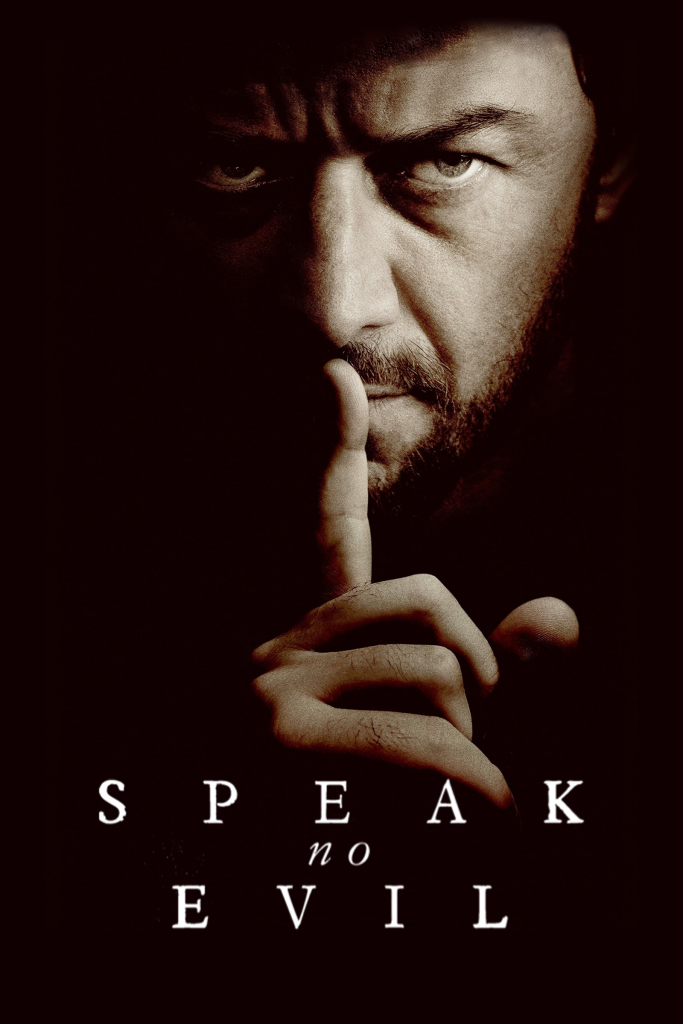
Louise and Ben Dalton are an American couple living in London with their anxious 11-year-old daughter, Agnes. Whilst having a holiday in Italy, they meet the quirky, charming and seemingly harmless British couple, Paddy and Ciara, and their mute son Ant. Paddy is loud, charismatic and like a clown with a chainsaw, impossible to ignore, while Ciara seems more grounded, making them seem like an odd but fun couple to be around.
When they get back to their lives after the holiday, Louise and Ben find that they are still struggling with money problems, infidelity issues and tension in their marriage, so when Paddy and Ciara ask them to come and stay at their remote farmhouse in Devon, they decide the change might do them some good.
When they get there, the wheels start to come off in increasingly impressive ways. Paddy’s mask drops and shows his true toxicity, constantly pushing boundaries, bullying the vegetarian Louise into eating goose, humiliating and outright abusing his own son and behaving like a creepy jerk on toast to the preteen Agnes. The hosts apologise and gaslight the Daltons just enough to make them question whether they are really overreacting, so they ignore the small avalanche of red flags mounting.
Things carry on like this until Agnes and Ant find a hidden shed full of luggage, watches and personal effects taken from previous ‘guests’. Ant reveals that Paddy and Ciara are prolific serial killers who murder parents, cut the tongues of their children and force them to help lure in the next victims. From there, it becomes a desperate fight to survive and escape. The Daltons defeat Paddy and Ciara, rescue Ant and limp off into the sunset, and presumably, therapy.
However…
It’s hinted that Ciara was not really Paddy’s lover at all, but his first victim, abducted when she was around Agnes’s age. If that were true, then for most of her life she has been groomed, held captive, kept in fear and abused. She is not helping Paddy because she wants to; she has been psychologically broken into becoming part of his twisted carnival of manipulation and murder.
This reframes key moments and characterisation in the film, including Ciara’s miscarriages, Paddy’s comment about Agnes replacing Ciara at the end, which comes across as less a villainous threat and more a hideous inevitability.
The true horror here is that Paddy is not just a serial killer. He is someone who repeatedly abducts, grooms, abuses, and replaces girls as they age out of the role he wants them to play.
The Mist (2007)
Cthulhu, to check out number 3, please…
We’re in Maine, and something eldritch is slithering in from the treeline, so naturally it’s time for the obligatory Stephen King entry.
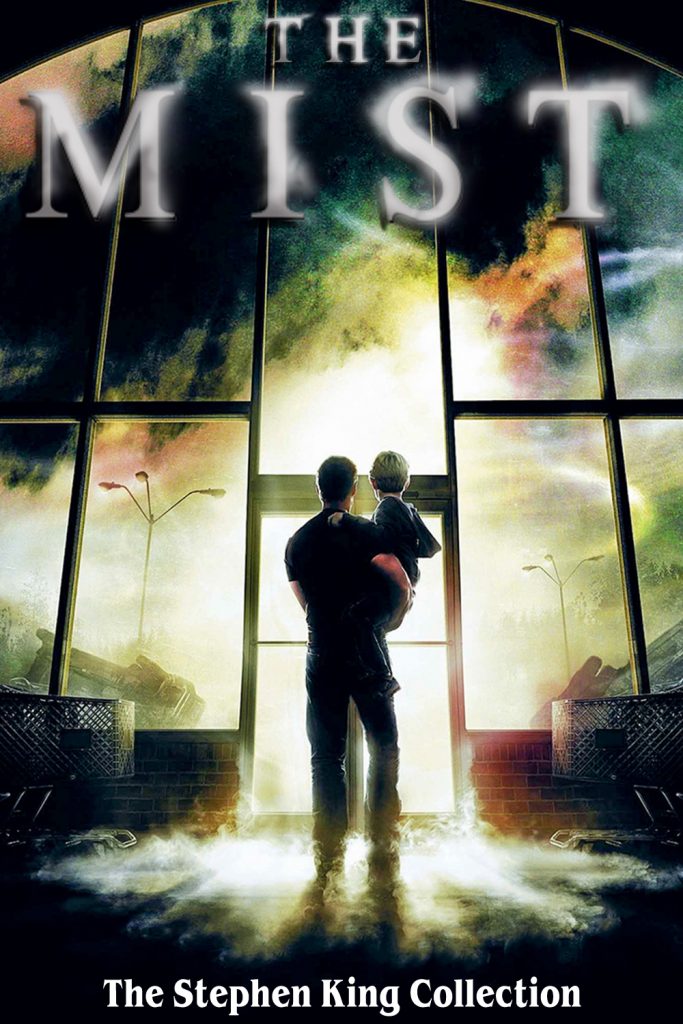
The Mist begins with a thunderstorm battering the small town of Bridgton, driving a tree branch through the home of David Drayton, his wife Stephanie, and their eight-year-old son, Billy. The next morning, a thick mist rolls in over the lake. Thinking little of it, David takes Billy into town to pick up some much-needed supplies.
Before long, our mishmash of horror archetypes is trapped inside a supermarket as the mist engulfs the town, bringing with it all manner of nightmarish Lovecraftian creatures: giant insects, tentacled beasts, and colossal arachnids.
Panic sets in, and the people inside begin to splinter into factions. Some try to survive rationally. Others go full Old Testament under the influence of the religious zealot Mrs Carmody, who insists that the mist is God’s punishment and that only a human sacrifice will bring it to an end.
Things become increasingly desperate, and Mrs Carmody is eventually killed. David and a small handful of survivors escape in a car and drive through the devastated landscape, only to run out of fuel.
With no sign of rescue, no hope left, and convinced that a gruesome death is inevitable, David uses the last bullets in his gun to mercy-kill the others, including his own son.
But it was all for nothing. Moments later, the mist clears, and the military arrives to rescue the survivors.
However…
What if that crazy religious nut was right?
She repeatedly called for Billy’s life to be sacrificed to stop the mist, and seconds after Billy dies, the mist not only clears, but the cavalry arrives. Is it all just a monstrous coincidence? Maybe. But consider the source. What if Mrs Carmody is not just a garden-variety religious fanatic, but someone channelling something darker? Her line, “My life for you,” is strongly associated with King’s recurring devil-like figure, Randall Flagg.
And then there’s the fate of the poor buggers left behind in the supermarket. There’s a grim possibility they were never rescued at all. By the time David and team Ironic Death peel away, the store has become a feeding ground for the creatures, and none of the familiar faces from inside appears among the rescued survivors.
Funny Games (2007)
Manners cost nothing
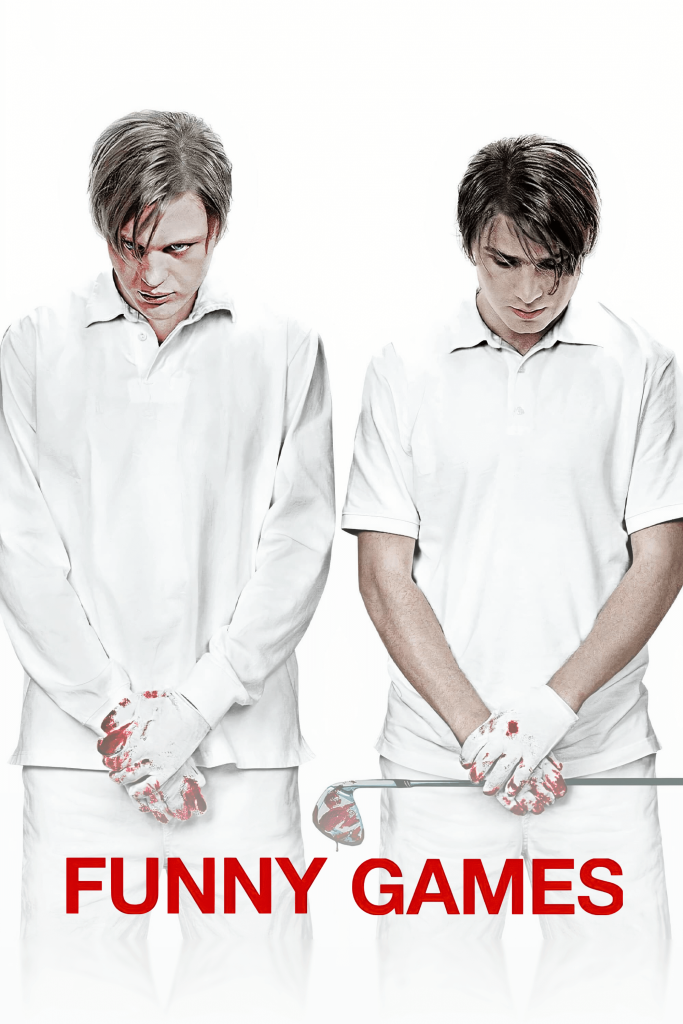
Funny Games follows George and Ann Farber, their young son Georgie, and their little dog too as they arrive at their sumptuous lakeside holiday home. As they settle in, their door is darkened by two strange, but polite to a fault, young men named Paul and Peter, who seem awkward but harmless, asking repeatedly to borrow eggs (the first and second loads get dropped).
Quick as a trapdoor spider, the situation goes from awkward to awful. George slaps one of the men for their increasingly bizarre behaviour and gets his knee smashed with a golf club for his troubles, leaving him incapacitated and unable to protect Ann and Georgie. Taking the family hostage, the pair begin to subject them to humiliating and sadistic ‘games’. Every now and then, with a knowing look to the camera.
The slick, soft-spoken sociopaths kill the family dog, force Ann to strip, brutally torment Georgie, and offer glimmers of hope before snatching them away. Georgie escapes briefly and runs to a neighbour’s house, only to discover a pile of corpses. Georgie is later shot in front of his parents.
Ann manages to turn the tide and shoot Peter with a shotgun, seemingly giving her and George a chance to survive. But Paul uses a television remote to literally rewind the film, undoing Peter’s death and making sure the family loses anyway.
By the end of the movie, George and Ann are casually murdered, and the killers move on to the next family to terrorise with a wink to the camera.
However…
Consider that fourth-wall-breaking scene where one of the villainous duo undoes his cohort’s death with a remote control; that means that in the context of the film, the pair are essentially immortal. So we have a pair of completely unhindered killers who are free to go to any and every house they want, killing completely without mercy or consequence, and there is nothing you can do, even if you win… You lose.
It Follows (2014)
Safe sex means knowing where the exits are
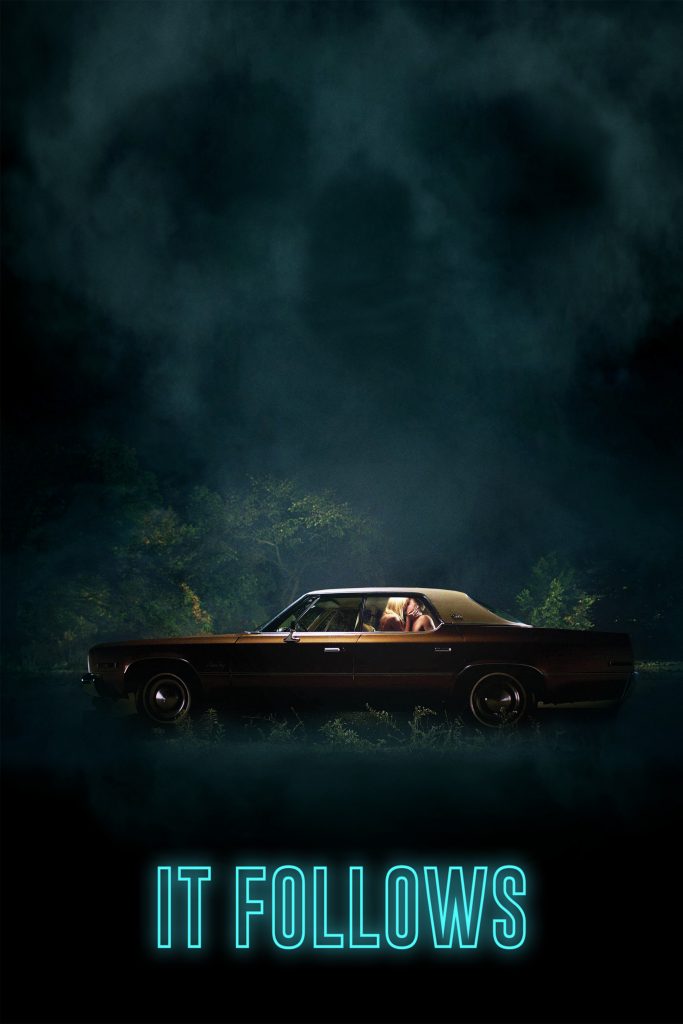
College student Jay is having a big night, not only is she going to sleep with her hunky boyfriend, Hugh, for the very first time, but she is also going to get her first ever STD (Sexually Transmitted Demon), so that’s what you might call a mixed result. Soon after they consummate their relationship, Jay wakes up tied to a wheelchair. Hugh explains that he has passed something on to her through making love, a being that can take the shape of anyone and who only she will be able to see.
This creature moves slowly, never faster than a sinister, slow walk, but it never stops following its victim. If it catches them, it kills them and begins pursuing the previous person in the chain. The only way to delay it is to have sex with someone else and pass the curse on. It’s kind of like the tape from The Ring with more needs for a condom.
Jay becomes increasingly scared, and the entity seems to be following her in many different forms, including strangers, friends, and even her family members. Her sister Kelly and friends Paul, Yara, and Greg try to help, though, as per the curse, only Jay can see what is chasing her.
The group decides to just fry the damn thing by luring it into a swimming pool and juicing it with a few thousand volts
This seems to work, leading to Jay and Paul’s celebratory shag session and potentially passing the curse on again. The pair walk off together while in the far distance a figure appears to follow them.
However…
Oh, so much guilt; the real horror of it follows is that the curse creates an endless cycle of fear, guilt, sacrifice and disappointing sex. Simply passing it on does not save you forever; it simply buys you time, maybe days, maybe longer, but your turn will come up sooner rather than later, and the entity will start walking towards you.
This means that everyone who has EVER carried the curse is doomed to spend the rest of their life looking over their shoulder and never knowing whether the stranger at the end of the street is just a stranger.
Also, consider how much worse things become when you factor in how many innocent people may have been dragged into it. Jay, Greg, Hugh, and possibly Paul all likely pass the curse to strangers without fully warning them, condemning them to die just to buy themselves more time. So the mere act of survival means you become complicit in many more deaths.
Finally, depending on how long the curse has existed, earlier victims would have had almost no chance of outrunning it before modern transportation. Cars, trains, and planes can slow it down… but never stop it. It is always walking, and, eventually, it always catches up.
Hereditary (2018)
Heads, he wins; tails, you lose.
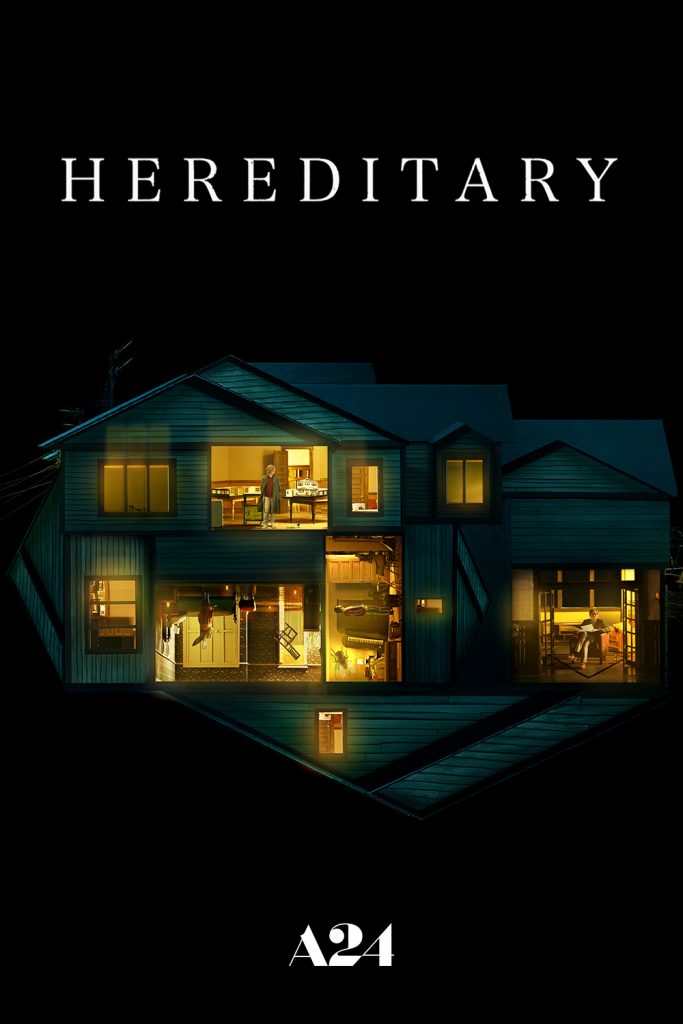
In Hereditary, we follow miniature artist Annie Graham (who is an artist who works in miniature, not an artist who is miniature herself) whose already tumultuous family is further strained after the death of her extremely secretive mother, Ellen. Annie lives with her Husband Steve, teenage washout Peter and her oddly unsettling daughter Charlie, whom Ellen had a very close relationship with.
The wheels come off spectacularly when Peter grudgingly takes Charlie to a party. While Peter is busy having a fantastic time, she is having a life-threatening anaphylactic reaction; this leads to Peter rushing her to the hospital, with her barely able to breathe. To get more air, she sticks her head out of the car window and ends up getting decapitated by a telephone pole. Peter, completely traumatised, drives home, leaving what’s left of her in the car for Annie to discover the next morning.
The family, naturally, comes apart at the seams. Annie becomes more and more unstable, Peter is eaten alive by guilt, and strange supernatural events happen around the house. Annie befriends a woman named Joan, who convinces her that she can communicate with Charlie through séances.
Annie uncovers that her dear old mum was, in fact, the leader of a cult devoted to the demon king Paimon, who seeks a male host body. Why couldn’t the old dear have just joined a book club? Charlie had always been intended as a vessel, but the cult had to make plans on the fly and ultimately manipulated events so that Peter became possessed instead.
However…
After Charlie’s traumatic death, the family would probably have had to return to the site of the accident to recover… the rest of her. Annie’s later miniature model of the accident was so detailed that she must have seen the site for herself. It turns Charlie’s death from one shocking moment into a whole second nightmare the family had to live through afterwards.
Not to mention that Paimon is only one of the kings of hell; if one demon cult has spent generations masterminding this nightmare, there probably are seven other cults out there who are just as hellbent on bringing their patrons into the corporeal world.
Also, the ending implies that even in death, Annie and Ellen will never truly escape the cult. Their headless bodies appear to bow before Paimon in the treehouse, implying that even in death, they will remain servants to him forever.
The Wicker Man (1973)
And not a bee in sight…
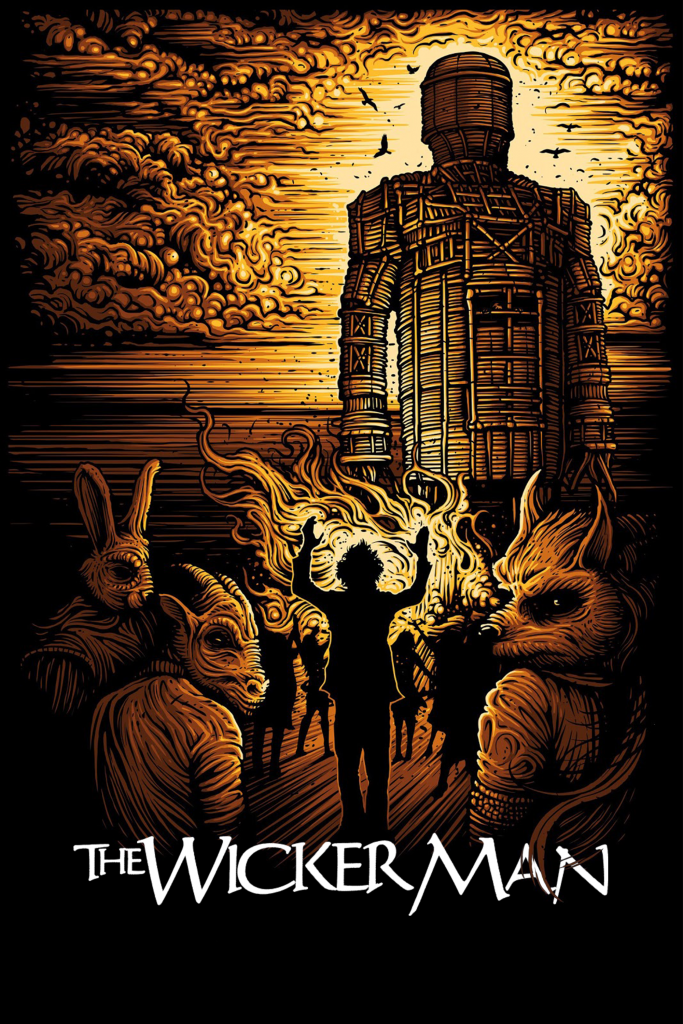
Sergeant Neil Howie is a deeply religious policeman who is sent to the remote, isolated Scottish island of Summerisle to look into the disappearance of a young girl, Rowan Morrison.
Right off the bat, Howie knows that something is very, very wrong on the island. The locals all openly practise a weird offshoot of paganism, celebrate fertility rituals and, worryingly, nobody seems to give a damn about Rowan vanishing like a pizza in a frat house. Some of the locals go so far as trying to gaslight Howie into believing that she never existed at all. As he looks into it further, he finds that the island’s charismatic leader, Lord Summerisle (Christopher Lee in what he himself considered to be his best role), has fostered and encouraged these beliefs for generations, believing that the rituals help ensure successful harvests.
Howie learns that the previous year’s crop failed for unexplained reasons and suspects that Rowan is being prepared as a human sacrifice to appease the island’s pagan gods (apparently, candles and crystals won’t work on this one). Desperate to save the innocent child, Howie disguises himself and infiltrates the island’s May Day festival.
When he finally finds Rowan, the entire thing is revealed to have been a ruse; Rowan was never truly in any danger, and the whole thing has been a setup, designed to trap him on the island. Because he came willingly, represents authority, is a virgin and has fallen for the deception, the islanders decide that he is the perfect sacrifice.
The film ends with Howie burning to death in a giant wicker man while the islanders sing, dance and revel around him
However…
There is the very real possibility that Sergeant Howie may have died for nothing. He warns Lord Summerisle that if the crops still fail, the islanders will just turn on him next. Their entire belief system is built around ritual sacrifice instead of solving the very real agricultural problems affecting the crops.
So when the harvest fails again, and after Lord Summerisle has been baked alive, the island will descend into paranoia, chaos and yet more pointless bloodshed all in the name of pleasing gods who either don’t exist or simply don’t care.
The Shining (1980)
Psycho in a winter wonderland.
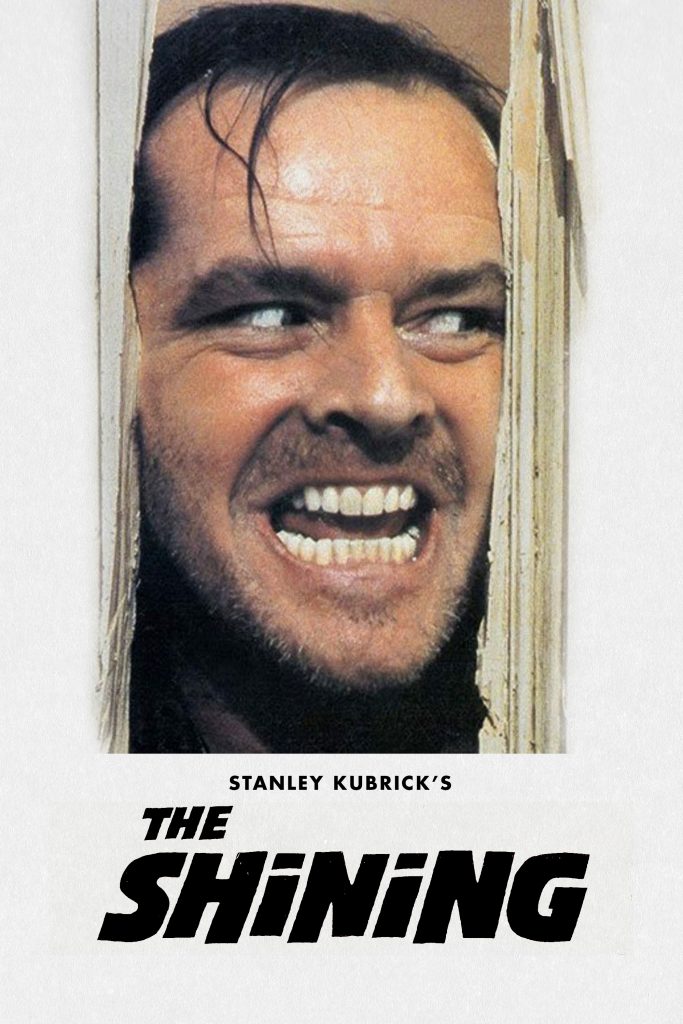
Jack Torrance has issues, to put it mildly. He is a struggling writer with a drink problem who takes an easy job as the winter caretaker of the isolated Overlook Hotel in the Colorado mountains. He moves his wife, Wendy, and young son, Danny, in with him, hoping that the isolation will help him finish his writing.
As winter is about to close in like a hangman’s noose, the hotel’s chef, Dick Hallorann, discovers that Danny has psychic powers similar to his own, a gift he calls “Shining”. Hallorann gives many warnings to young Danny, revolving around the Overlook Hotel, which contains dark memories of the awful events in its terrible past, and he tells him that on no account is he ever, ever to go into room 237.
The family settles in, and Danny begins to see terrifying visions, including the creepiest little girls ever committed to film. While this is happening, Jack’s already loose screws start rattling alarmingly. His frustration over writer’s block, the hotel’s malevolent influence, and his own dark heart slowly and inexorably push him towards full-on, frog-in-a-microwave-madness. When Danny is found to have mysterious wounds (souvenirs of his little sojourn into room 237), Wendy thinks the worst.
It’s about this time that Jack starts to see the ghosts of the Overlook himself, including a bartender who tempts him off the wagon and back into the bottle, and encourages him to murder his family. Wendy finds that Jack’s ‘novel’ is just the same sentence repeated over and over; all work and no play makes Jack a dull boy.
By now, Jack is completely off his rocker; he traps Wendy and Danny in the hotel. Jack hunts them with an axe. Danny manages to outsmart him in the snow, and Hallorann is murdered by Jack (after he hears Danny call out to him in his mind). Wendy escapes with Danny, and Jack freezes to death in the maze. The end of the film shows a photo of Jack standing among the guests at one of the hotel’s old parties… taken in 1921.
However…
It’s heavily implied in the movie that Jack was always capable of these acts of violence, so the hotel didn’t create a monster; it didn’t even (as in the novel) have much of a fight. All it needed to do was hand Jack a big ass axe and a permission slip.
Poor Wendy spends the whole film being treated as hysterical, but in reality, she is the only adult trying to hold her rapidly disintegrating family together while trapped in a giant, haunted, frozen pressure cooker. Wendy has no idea of the hauntings; all she knows is that her husband and son seem to be going bananas in radically different ways.
Also, from Danny’s point of view, he isn’t just seeing ghosts; he is witnessing the fate of his family in slow-motion, and there is nothing he can do about it.
Lastly, consider this: the Overlook has probably done this before, repeatedly throughout the years. Absorbing the souls of the ones it corrupts, making them part of it for all time. When Grady told Jack he had “always been the caretaker”, that suggests that the hotel exists outside of normal time. Not that Jack is special, just the latest poor bastard fed into the misery machine.
Some horror movies are terrifying in the moment. Others sink their claws in later, when you are lying in bed staring at the ceiling and your brain suddenly whispers, “Hang on… that means everyone is doomed.”
From cursed videotapes and haunted hotels to cults, serial killers and cosmic monsters, these films only get worse the more you pick at them. Beneath the jump scares and gore lurk implications so bleak they can turn a good horror movie into something that follows you around for days like an unpaid debt with teeth.